A Particle with Unusual Properties
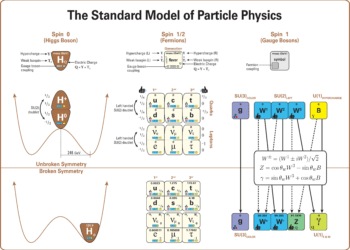
In particle physics, every fundamental particle possesses intrinsic properties such as mass, electric charge, and spin. These characteristics determine how particles interact with forces and fields throughout the universe.
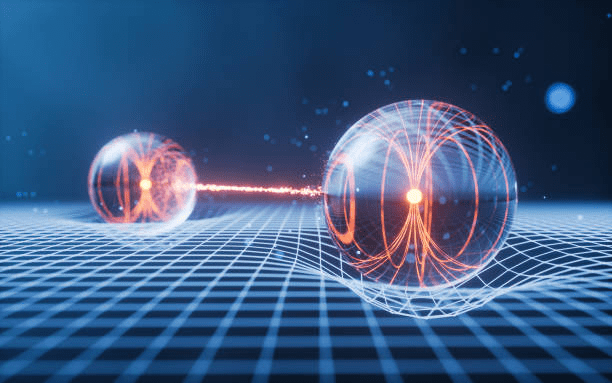
Magnetic moment, for example, arises from a combination of spin and electric charge. When a charged particle with a magnetic moment moves through a magnetic field, its trajectory or rotational state can be altered.
Photons, however, are very different from most particles. A photon carries no electric charge and has no rest mass. Because of this, photons do not possess a conventional magnetic moment and are not directly deflected by magnetic fields in the way charged particles are.
These properties make photons remarkably unique within the framework of modern physics.
Why Photons Behave So Differently
Every particle enters existence with certain natural attributes defined by the laws of quantum mechanics. These attributes—such as spin, charge, and mass—are not acquired later; they are fundamental aspects of the particle itself.
From the moment it is created, a photon is massless and electrically neutral. These traits allow it to travel at the speed of light and interact with matter in very specific ways.
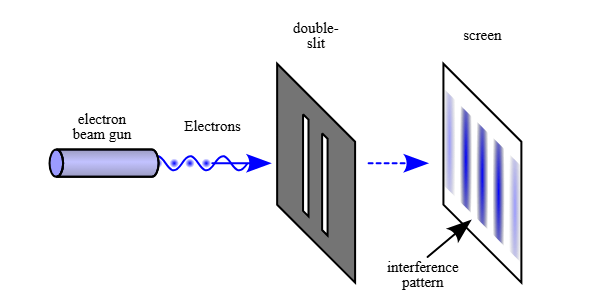
Because photons have no rest mass, they behave very differently from particles such as electrons or protons. In quantum experiments like the famous double-slit experiment, a photon can even interfere with itself as if it traveled along multiple paths simultaneously.
This strange behavior reflects the deeper mysteries of the quantum world.
Can Photons Ever Lose Energy?
One of the most puzzling questions in cosmology concerns the energy of photons traveling across the expanding universe. Observations show that light from distant galaxies appears redshifted, meaning its wavelength has stretched and its energy appears lower.
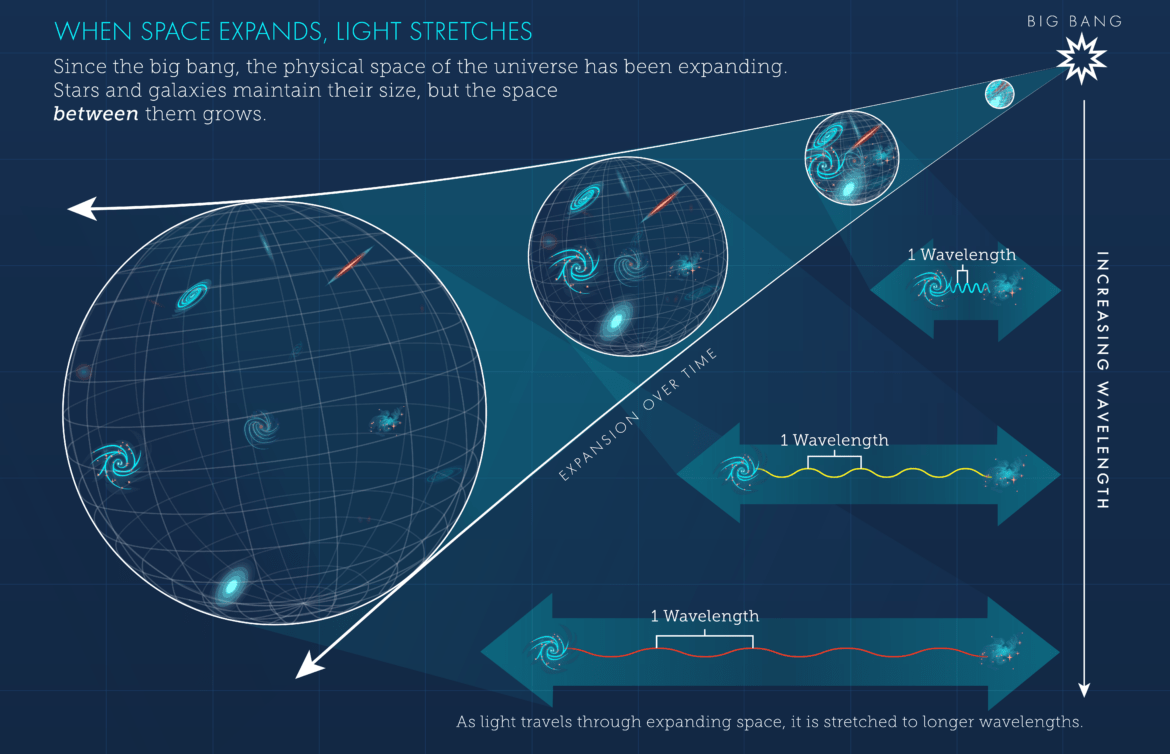
At first glance, this seems to suggest that photons are gradually losing energy as they travel through space.
But the explanation is more subtle.
The redshift observed in distant galaxies was first studied systematically by Edwin Hubble, whose work revealed that the universe itself is expanding. As space expands, the wavelength of light traveling through it stretches as well.
This effect changes the photon’s measured energy.
The Role of Reference Frames
The key idea here is the concept of a reference frame. Measurements in physics always depend on the observer’s frame of motion.
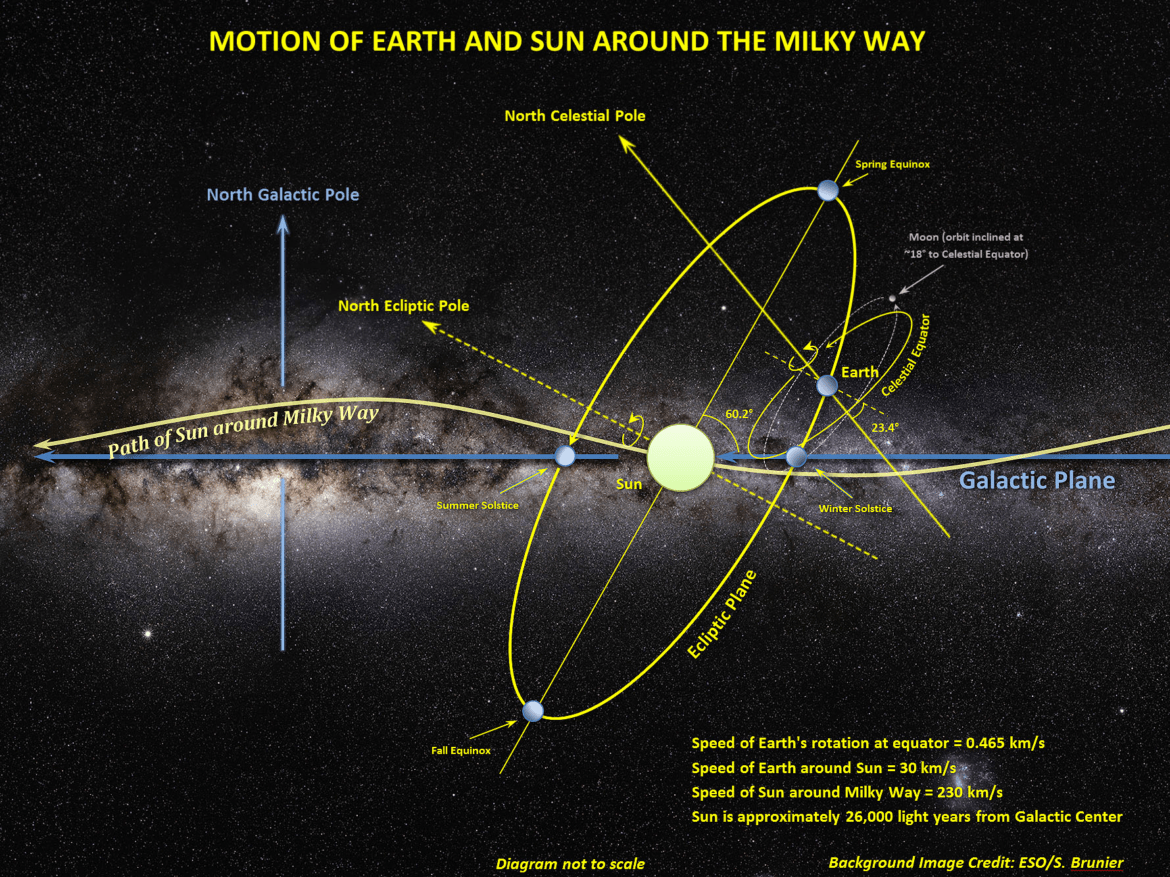
Our observations of photon energy are made from within a moving cosmic environment. The Earth, the Solar System, and even the Milky Way are all moving through space while the universe itself expands.
Because of this, the energy we measure for a photon can vary depending on the frame of reference used for the observation.
In other words, the photon itself has not necessarily lost energy. What changes is the way its energy appears when measured from different frames of motion.
Redshift and the Expanding Universe
Cosmological redshift is one of the clearest observational signs that the universe is expanding. As galaxies move farther apart, the wavelengths of photons traveling between them stretch with the expanding space.
This stretching reduces the frequency of the light we detect, which we interpret as a decrease in photon energy.
However, this does not mean that the photon’s energy has been absorbed by space itself. Instead, the change arises from the geometry of expanding spacetime and the relationship between observers and moving reference frames.
This insight reflects the deeply relativistic nature of our universe.
What Happens to Photons in the Far Future?
If the universe continues expanding indefinitely, distant galaxies will eventually drift so far apart that their light becomes extremely redshifted. Photons traveling across these vast distances will appear weaker and weaker to any observer.
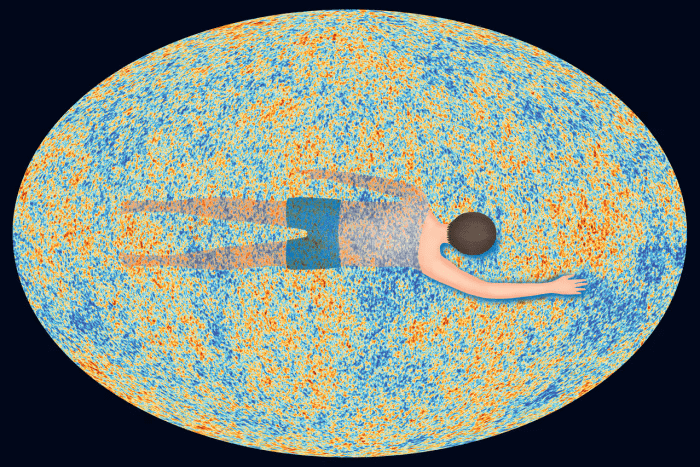
Over immense timescales, the universe may gradually fade as stars burn out and fewer new photons are produced.
Yet photons themselves may never truly disappear. As long as they avoid interactions with matter, they can continue traveling through space indefinitely.
From the perspective of modern physics, photons may persist as silent travelers of the cosmos, moving endlessly through an ever-expanding universe.