Belief as a Hidden Force in Human Society
Much of human civilization is built upon belief. Whether we acknowledge it or not, belief quietly shapes our institutions, behaviors, and social structures. Without shared beliefs, modern society would quickly collapse into chaos. Yet when belief is shared across large communities, it can become an extraordinary source of cohesion and power.
Religion provides one of the clearest examples. In its broadest sense, religion functions as a system of values, rules, and meanings built upon belief in a supernatural order. These systems claim universal validity and often encourage followers to spread their ideas beyond local communities.
From a sociological perspective, religions behave almost like living systems. They spread, adapt, compete, and attempt to survive across generations.
Systems That Expand and Compete
This pattern is not unique to belief systems. In nature, life itself spreads wherever conditions allow. Organisms reproduce, adapt, and compete for resources. The same logic appears at many levels of reality.
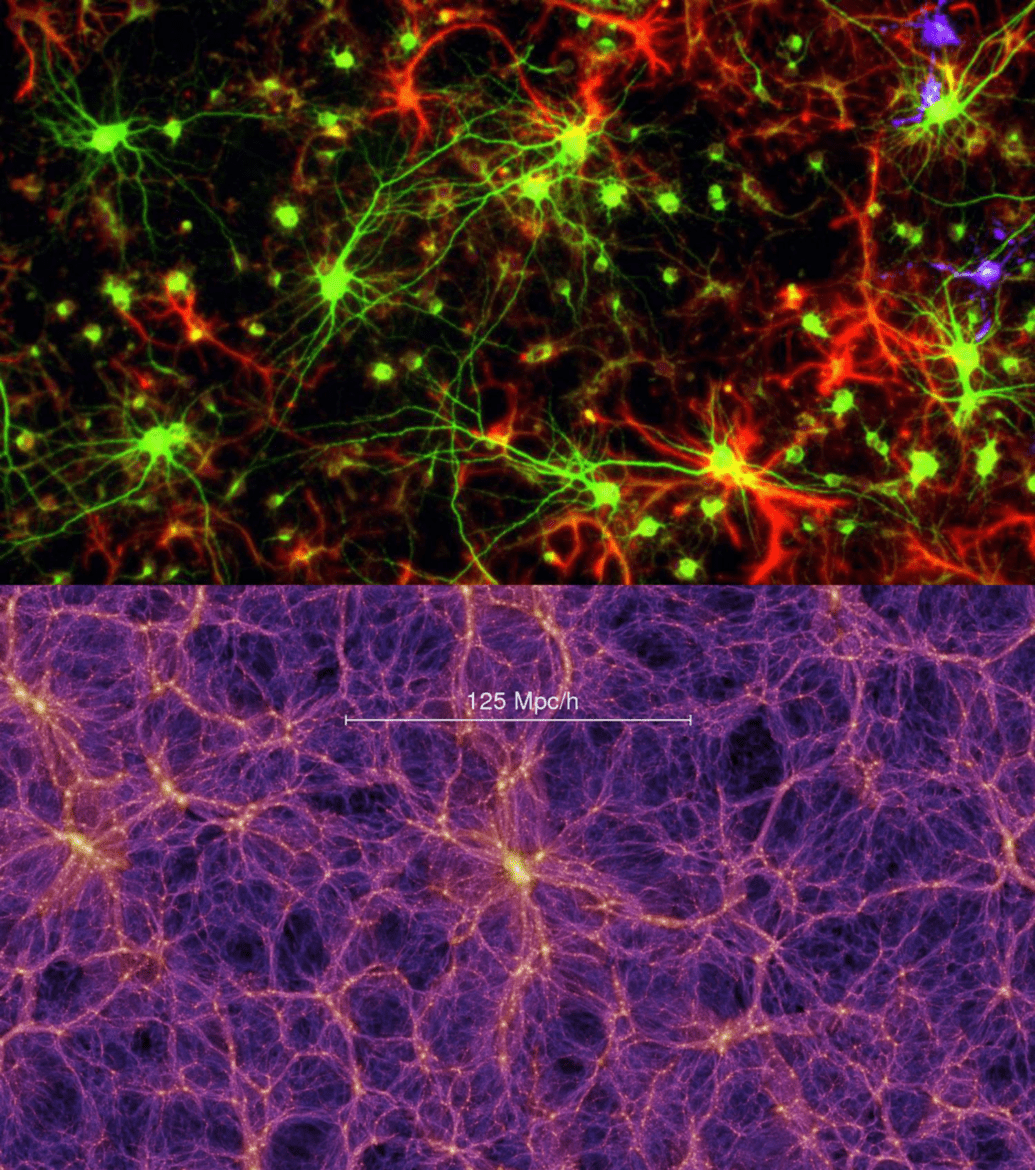
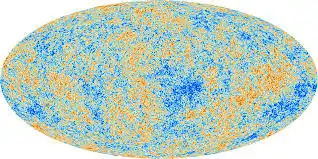
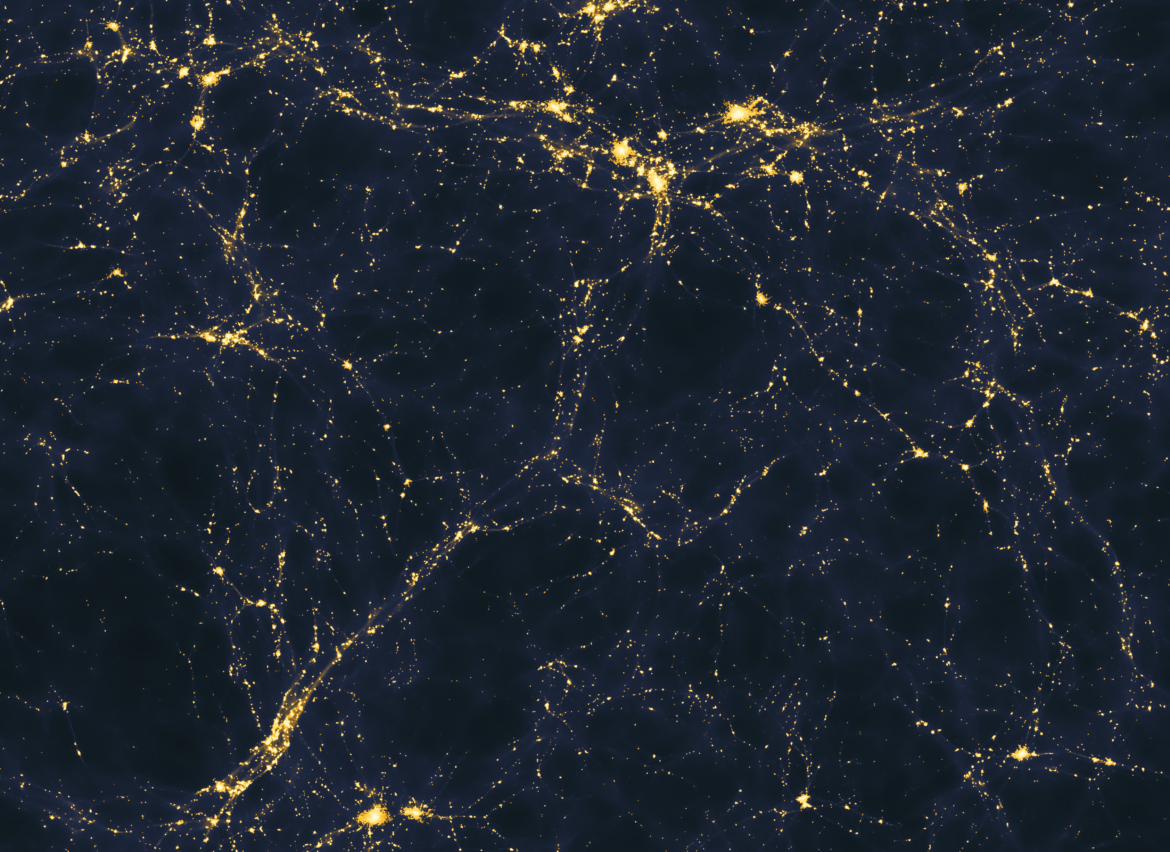
The universe expands.
Life spreads across ecosystems.
Ideas propagate through societies.
These processes may appear very different, yet they share a common theme: expansion and persistence. When a system emerges—whether biological or cultural—it often tends to grow and extend its influence.
This similarity raises an intriguing philosophical possibility: could there be deeper principles shaping both biological evolution and the spread of ideas?
Natural Selection Beyond Biology
In biology, the mechanism behind adaptation and survival is natural selection, first described by Charles Darwin. Organisms with traits better suited to their environment are more likely to survive and reproduce.
A similar dynamic can occur within human thought and belief. Certain ideas spread because they resonate with people, provide social cohesion, or help communities organize themselves.
In this sense, belief systems may undergo a kind of cultural evolution. Ideas compete, spread, mutate, and sometimes disappear—much like species within ecosystems.
This analogy does not mean that beliefs are literally alive. But their patterns of growth and survival can resemble biological processes.
The Story of a Message for the Moon
A story often told in discussions of belief illustrates how perspective can shape meaning.

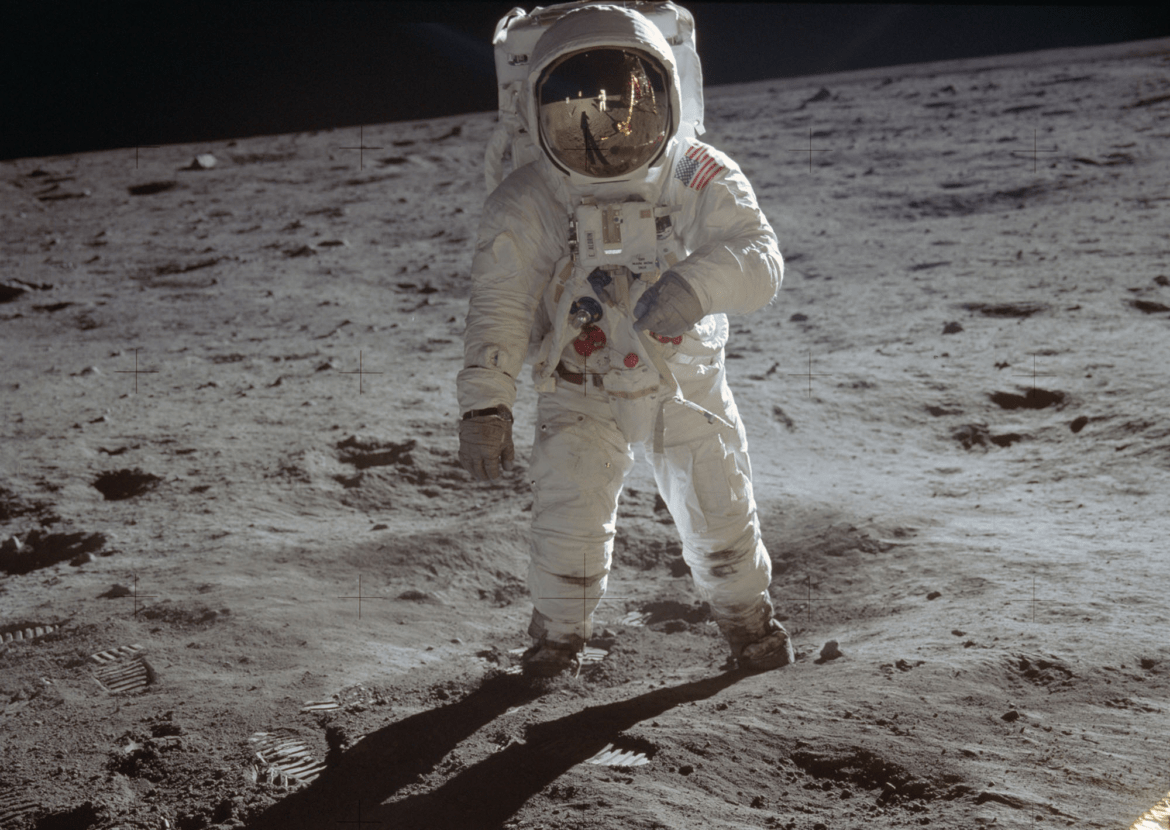
Before the first human landing on the Moon during the Apollo 11 mission in 1969, astronauts trained in desert environments designed to resemble the lunar surface. During one training exercise, they encountered an elderly member of a local indigenous community.
After learning about their plan to travel to the Moon, the elder asked if they could deliver a message to the spirits believed to live there. He spoke a short phrase in his native language and asked them to memorize it.
Curious about the meaning, the astronauts later found someone who could translate it. The message reportedly warned the lunar spirits not to trust the visitors from Earth, claiming they had come to claim new land.
The story may be partly apocryphal, but its message is clear: the same event can appear heroic from one perspective and threatening from another.
Humanity as an Expanding Form of Life
From a broader viewpoint, humanity’s exploration of space can be interpreted in several ways. To us, it represents discovery, curiosity, and scientific progress. But from a more detached perspective, it may simply be life extending its reach beyond its home environment.
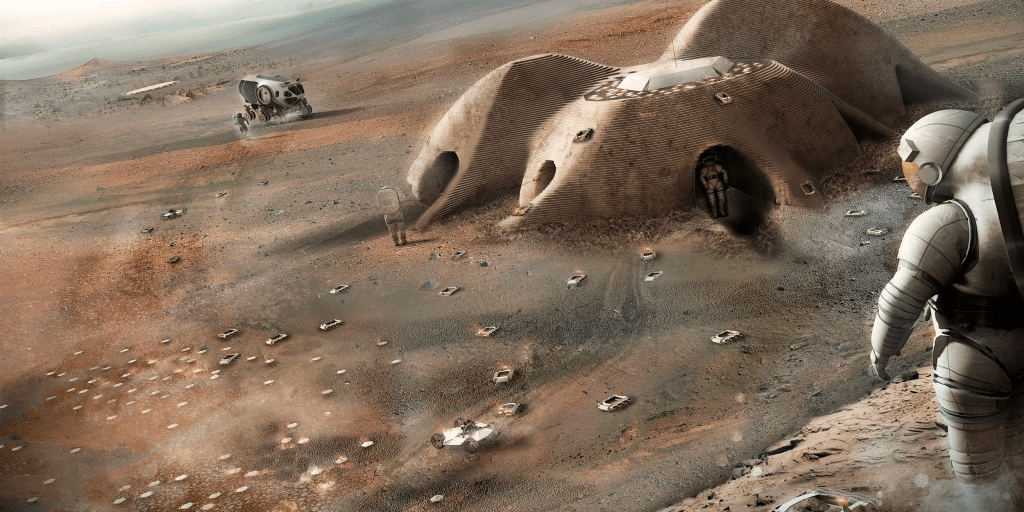
Just as organisms expand into new habitats on Earth, technological civilizations may eventually spread to other worlds.
In that sense, human exploration might be seen as an extension of life’s fundamental tendency to grow and occupy new environments. If humans establish settlements on the Moon or on Mars, we will inevitably carry our beliefs, cultures, and social systems with us.
The expansion of life would therefore include the expansion of ideas.
The Deeper Question Behind Exploration
This raises a deeper philosophical question: why do humans feel such a strong urge to explore?
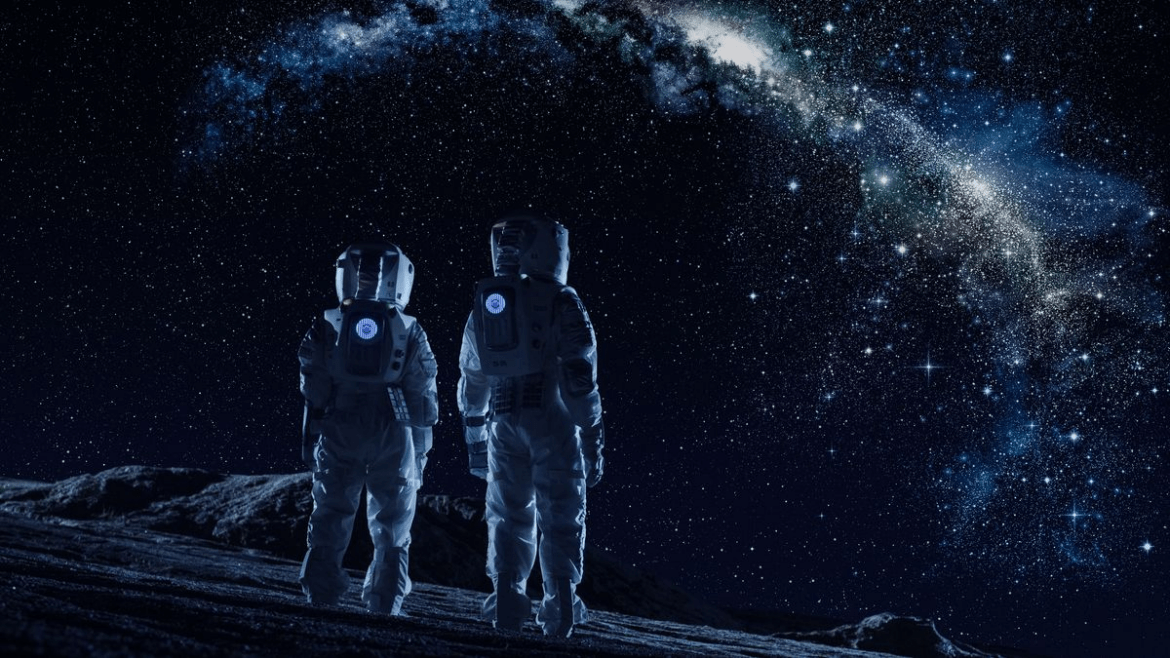
Throughout history, people have risked their lives to reach unknown places—across oceans, across continents, and eventually beyond Earth itself. The desire to explore appears almost instinctive.
Some interpret this as curiosity or ambition. Others see it as a deeper evolutionary drive—a tendency within life itself to expand and replicate across larger territories.
Whether this drive originates from biology, culture, or something more fundamental remains unknown.
The Unanswered Mystery
The universe is unimaginably vast, and humanity currently occupies only a tiny corner of it. Even traveling beyond the Solar System remains an enormous technological challenge.
Yet the desire to explore persists.
Humans continue to ask the same question when looking at the night sky:
Is there something—or someone—out there?
Perhaps this curiosity is simply part of human nature.
Or perhaps it reflects something deeper within the nature of life itself: a persistent impulse to reach outward, to expand, and to carry life wherever it can survive.