Humanity began observing the universe more than 5,000 years ago.
When the ancient Greeks looked up at the night sky, they saw countless shimmering stars and a powerful, majestic Sun. And just like us today, they asked the same simple but profound question:
Why is the universe the way it is?
Back then, people could only admire the sky.
Today, we observe, study, and understand it—at least, we try to.
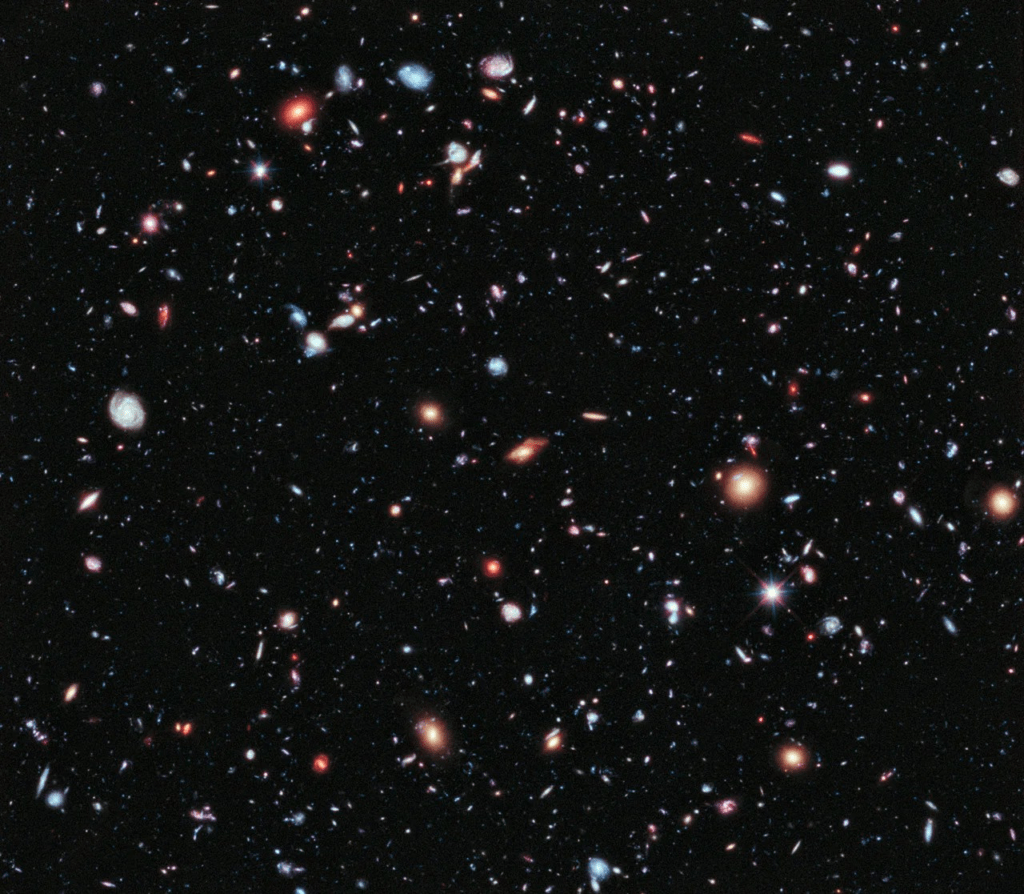
Science has always grown alongside humanity. Those early Greek philosophers and scientists laid the very first stones in our understanding of the cosmos. And now, in the age of technology, our knowledge has expanded far beyond the Solar System. We’ve set foot on the Moon, and Mars may be next. If that day comes, it will mark the bold beginning of humanity’s true journey into the universe.
But that… is a story for the future.
For now, let’s sit here together and simply explore the beauty of the cosmos—and the story of its birth.
What Is the Big Bang?
In this first journey, we start with one of the biggest questions of all:
- What is the Big Bang?
- Where did it come from?
- And did it really happen?
The Big Bang is the theory that our universe was born from an unimaginably massive explosion—a moment when matter, space, and time themselves came into existence.
The idea was first proposed by Georges Lemaître, a Belgian astronomer, physicist, and Catholic priest, born in 1894. When the theory was introduced, it faced heavy skepticism. Many scientists doubted it.
But over time, evidence began to pile up.
Observations by Edwin Hubble showed that the universe is expanding. Later discoveries of cosmic microwave background radiation—the faint afterglow of the early universe—strengthened the case even further. Eventually, the Big Bang became the most widely accepted explanation for the origin of the universe.
A Universe Born 13.8 Billion Years Ago
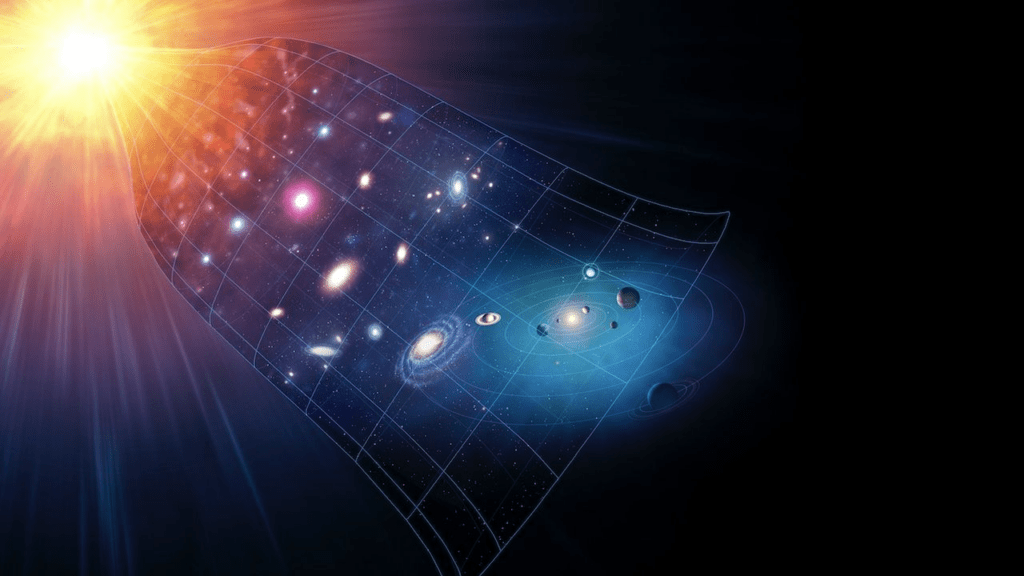
According to the Big Bang theory, the universe began about 13.8 billion years ago from a single point called a singularity—a place of infinite density and extreme heat.
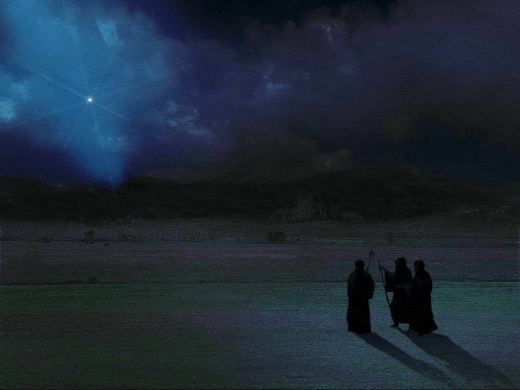
After the explosion, the universe expanded rapidly and was incredibly hot. As it cooled, energy transformed into fundamental particles such as protons, neutrons, and electrons. Simple atoms soon followed.
The first elements to form were hydrogen, with small amounts of helium and lithium.
About 300 million years later, the first stars ignited. Inside these stars, heavier elements were forged, eventually leading to galaxies, planets, and everything we see today.
The cosmic microwave background radiation, now at about –270°C, is a silent echo of that early universe—still detectable, still telling its story.
Our Place in the Cosmic Timeline
The Sun and Earth formed around 5 billion years ago, when the universe was already 8.8 billion years old.
That means the universe is only about three times older than our planet.
Life on Earth appeared roughly 3.7 billion years ago—a long enough stretch of time for evolution to work its slow, incredible magic.
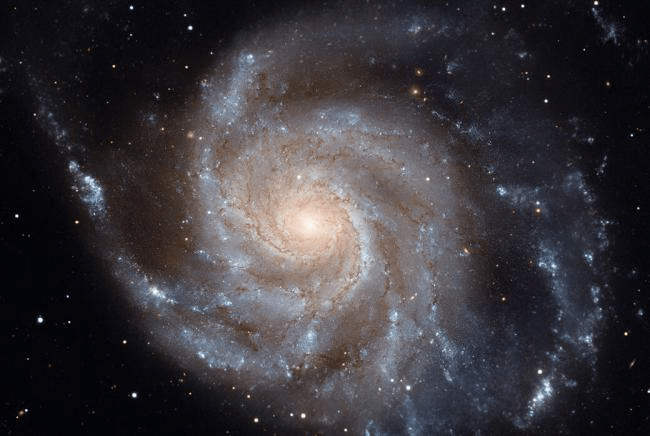
And the universe?
It’s still expanding—and doing so faster and faster.
One day, far in the future, the universe may grow so cold and empty that life can no longer exist. But there’s no need to worry. We still have at least 10 billion years ahead of us.
Plenty of time.
What Came Before the Big Bang?
This is where things get truly mysterious.
The singularity marks the beginning of time itself. That means asking “What happened before the Big Bang?” might not even make sense—because before it, there was no time, no space, no “before” at all.
Still, curiosity refuses to rest.
Some scientists suggest our universe may be part of a cycle, repeatedly expanding and collapsing. In 2010, researchers observed unusual patterns in cosmic background radiation—large circular variations that hinted at events before our Big Bang.
Does that mean there were other universes? Other explosions? Other beginnings?
No one knows for sure.
A Universe Still Full of Questions
One thing is certain: science is constantly evolving. What we believe to be true today may change tomorrow. Humanity has only studied the universe seriously for a few hundred years—barely a second compared to cosmic time.
We still understand very little.
But that’s what makes the universe so beautiful.
This was our first exploration into the story of the Big Bang—the beginning of everything we know. And it’s only the start.
The universe is vast.
Mysterious.
And still waiting for us to understand it.