The Symmetry Problem in Modern Physics
Modern physics has achieved extraordinary success in explaining the behavior of the universe through what scientists call the Standard Model of particle physics. This framework describes the fundamental particles and the forces that govern their interactions.
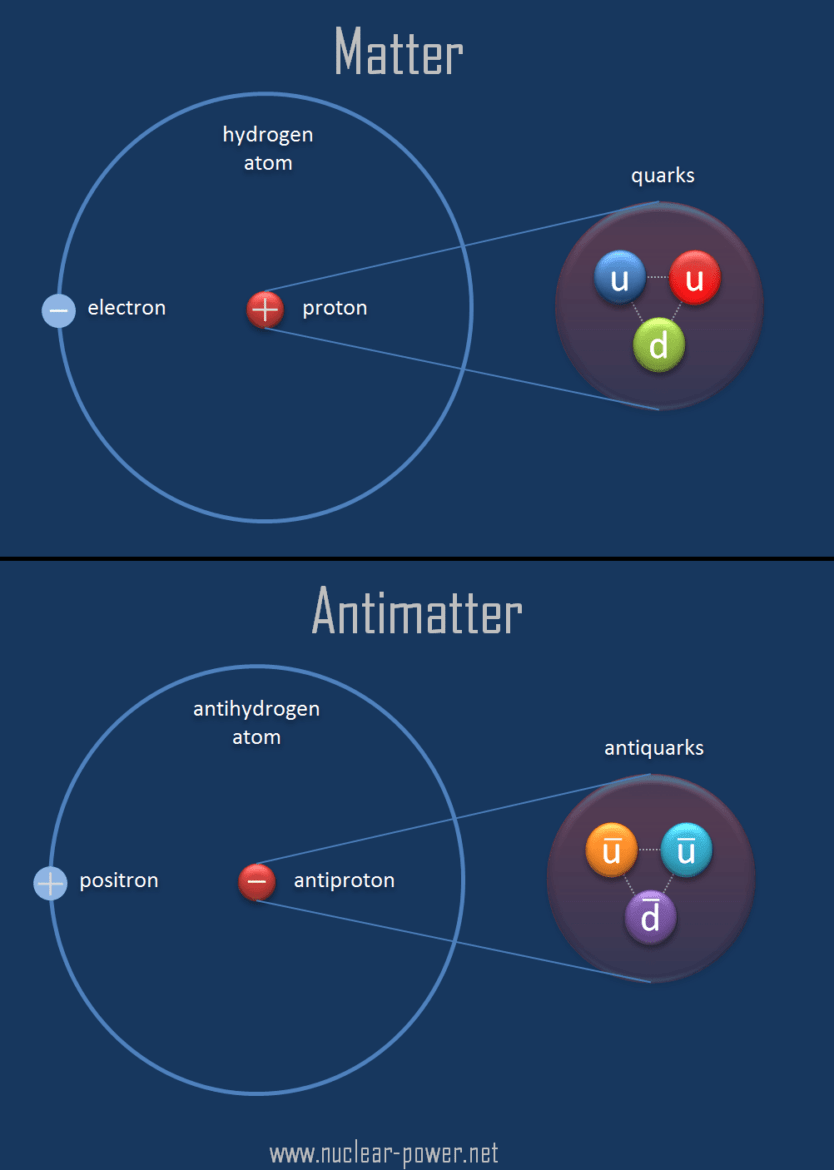
According to this model, the early universe should have produced equal amounts of matter and antimatter. For every particle of matter, there should have been a corresponding antiparticle. When these two meet, they annihilate each other and convert their mass into pure energy.
For example, when an electron collides with its antiparticle, the positron, the result is typically a pair of energetic gamma-ray photons.
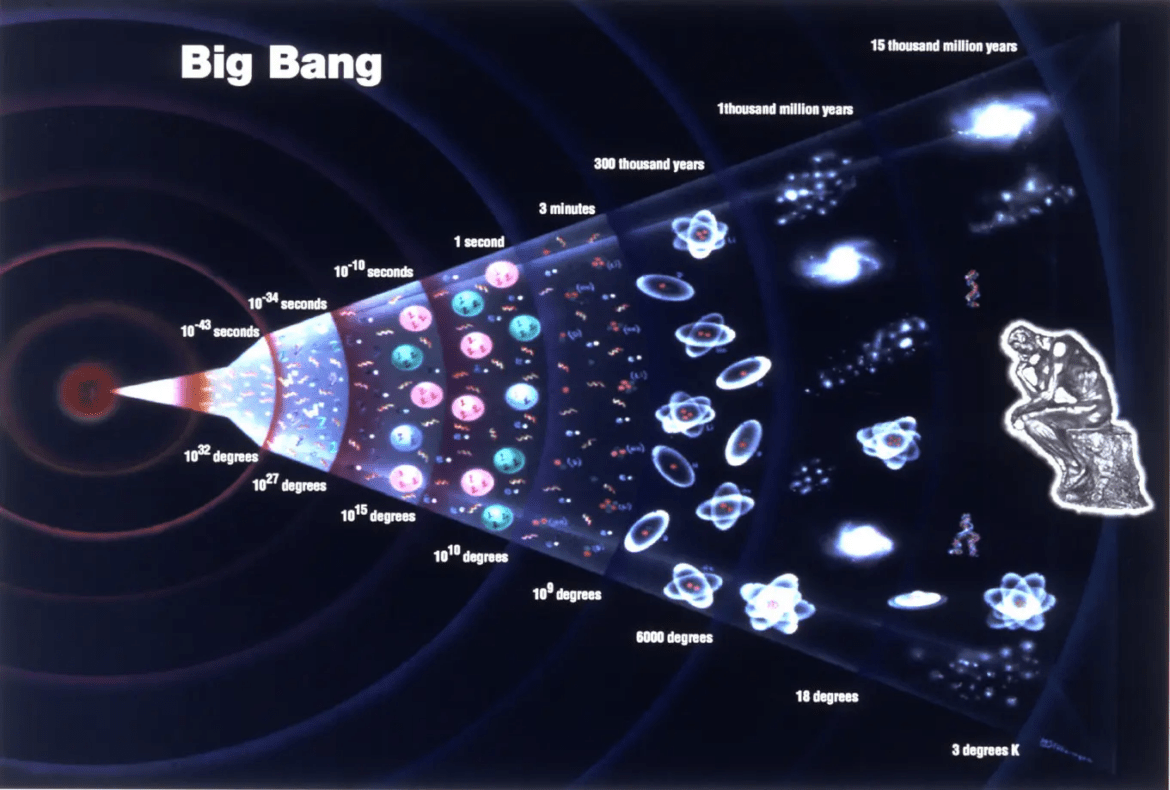
If the universe truly began with perfect symmetry between matter and antimatter, then almost everything should have annihilated shortly after the Big Bang—leaving behind a universe filled mostly with radiation.
But clearly, that did not happen.
The Tiny Imbalance That Built the Universe
Observations suggest that a very small imbalance existed in the early universe. For roughly every ten billion matter–antimatter pairs that formed, there may have been just one extra particle of ordinary matter.
When annihilation occurred, nearly all particles and antiparticles destroyed each other. However, those tiny excess particles of matter survived.
Those surviving particles eventually formed atoms, gas clouds, stars, galaxies, planets, and ultimately life itself.
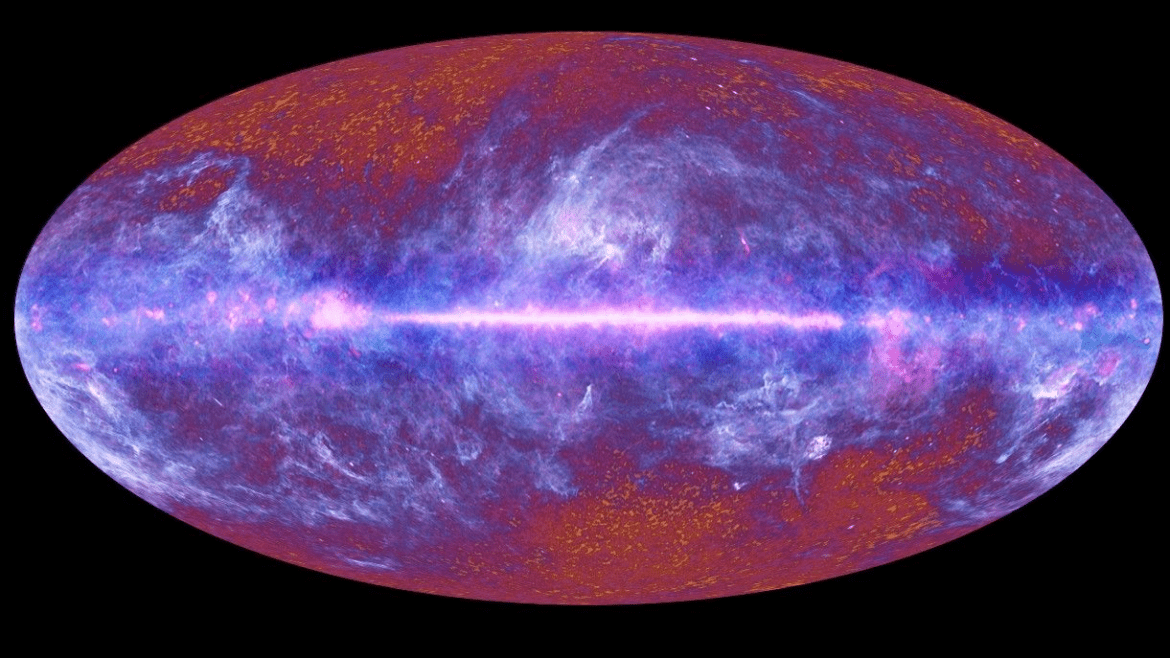
Evidence for this early annihilation process comes from the relic radiation left over from the early universe, known as the Cosmic Microwave Background. This ancient light preserves clues about the conditions that existed shortly after the Big Bang.
The ratio between photons in this background radiation and the amount of matter we observe today supports the idea that nearly all matter and antimatter destroyed each other, leaving only a tiny surplus of matter.
Searching for Clues in the Electron
To understand why matter slightly dominated antimatter, physicists search for signs of subtle asymmetries in fundamental particles.
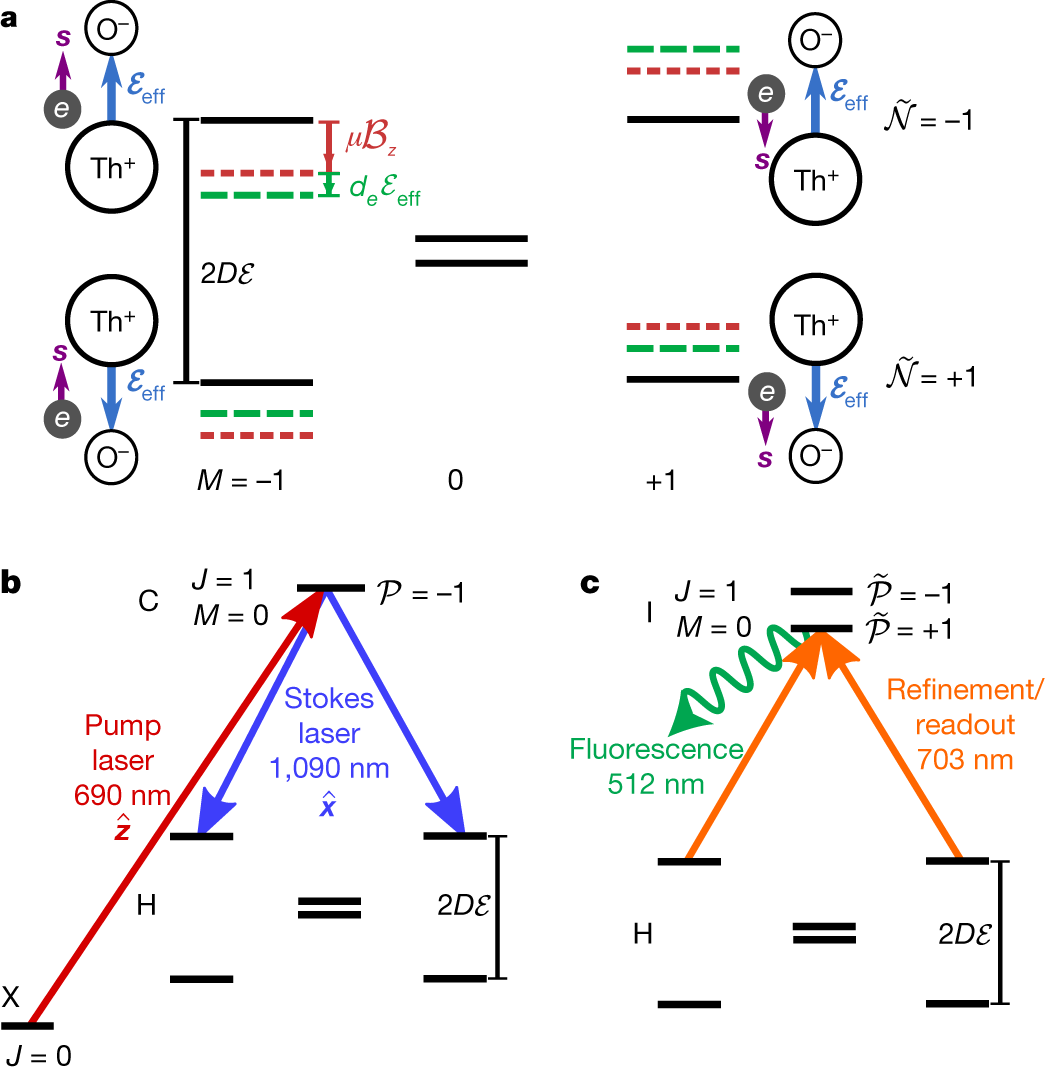
One important target of these investigations is the electron. Scientists attempt to detect a property called the electric dipole moment (EDM) of the electron.
In quantum field theory, every particle is surrounded by fluctuating “clouds” of virtual particles produced by its associated quantum field. If unknown particles or interactions exist beyond the Standard Model, they might slightly distort this cloud.
Such distortions could shift the distribution of electric charge relative to mass inside the electron, producing a measurable electric dipole moment.
Detecting such an effect would hint at new physics beyond the Standard Model and might help explain why matter dominates the universe.
The Extraordinary Difficulty of Measuring It
Testing this idea is extremely challenging. Electrons are extraordinarily small—far smaller than even protons—and measuring subtle distortions in their structure pushes experimental physics to its limits.
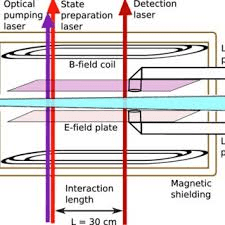
To perform these experiments, scientists trap carefully chosen molecules inside ultra-high vacuum chambers and expose them to extremely controlled electromagnetic fields. One molecule often used in such research is thorium monoxide.
These molecules allow researchers to study the behavior of the electrons inside them with exceptional precision.
Using techniques such as magnetic trapping and highly sensitive measurements of spin behavior, researchers analyze enormous datasets containing information from millions of electrons.
Even tiny deviations could reveal the existence of unknown particles or hidden interactions.
What the Experiments Have Found So Far
After years of experiments and extremely careful analysis, researchers have reached a surprising conclusion.
So far, the measured electric dipole moment of the electron appears to be effectively zero within experimental limits.
This result suggests that the electron behaves almost perfectly like a symmetric sphere. If new physics is responsible for the matter–antimatter imbalance, its effects must be even smaller than current experiments can detect.
For now, the hypothesis of supersymmetry and other theories beyond the Standard Model remain possible, but none have been confirmed.
A Universe Almost Without Antimatter
Astronomical observations reinforce this puzzle.
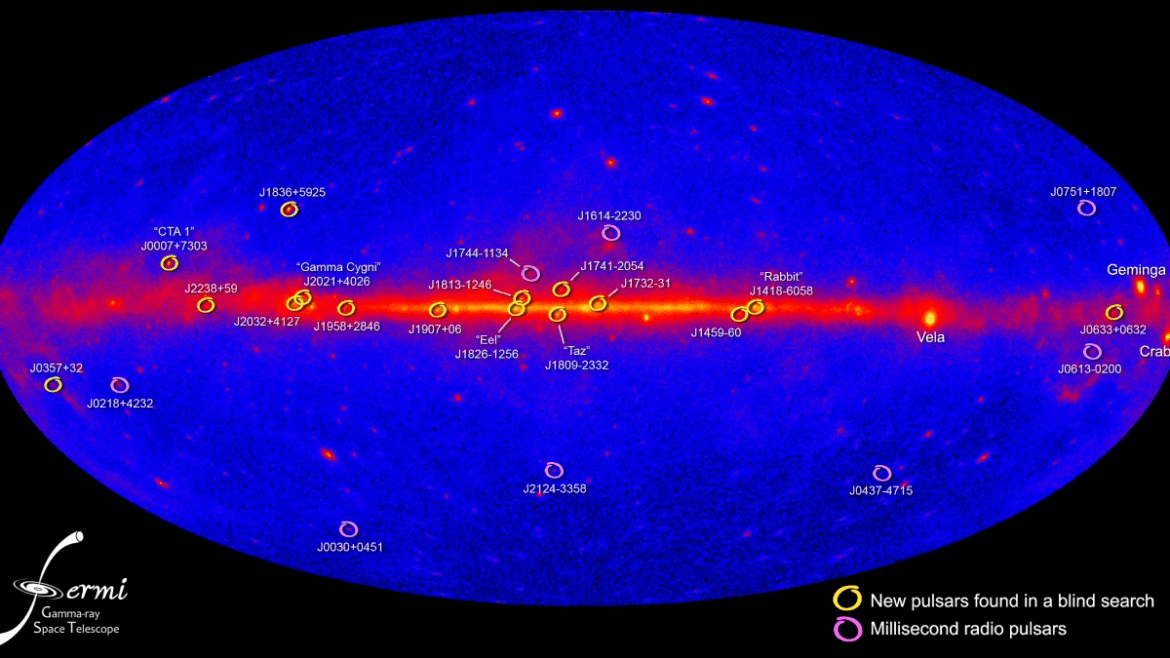
If large regions of antimatter existed in our galaxy, they would collide with normal matter at their boundaries, producing intense gamma-ray radiation detectable from Earth.
Yet observations of the Milky Way and distant galaxies reveal almost no evidence of large antimatter regions.
Estimates suggest that antimatter makes up less than one part in a quadrillion compared to ordinary matter in our galaxy.
In other words, the visible universe appears to be composed almost entirely of matter.
One of Physics’ Greatest Unsolved Mysteries
Today, physicists estimate that roughly 99.999% of the observable universe consists of ordinary matter. Why nature favored matter over antimatter remains one of the deepest unanswered questions in physics.
Solving this mystery may require new particles, new forces, or entirely new theoretical frameworks beyond the Standard Model.
Until then, the existence of our matter-dominated universe remains a remarkable cosmic accident—one that ultimately made the existence of stars, planets, and life possible.