For centuries, the search for extraterrestrial life has been one of the most frustrating and unsuccessful missions humanity has ever undertaken. Enormous amounts of money, time, and intellectual effort have been poured into it—and yet, we have found nothing definitive. No signals. No visitors. No undeniable proof.
And still, we refuse to stop.
That alone raises an important question: why do we keep searching?
If you answer that question honestly, from your own perspective, then your answer is already correct. Because behind this search lies something deeply human—our curiosity, our pride, our fear of loneliness, and our desire to understand our place in the universe.

Pride, Curiosity, and the Fear of Being Alone
One uncomfortable truth we have to admit is this: the search for alien life may bring us no practical benefit at all. It might even be a complete economic loss. Humanity has survived and thrived precisely because of its intelligence, and over time, that intelligence has quietly turned into pride.
Finding extraterrestrial life—especially before it finds us—would be proof that we are smarter, more advanced, and one step ahead. For some, this search is about dominance and validation.
For others, the motivation is very different. Many people simply don’t want to believe that we are alone. The idea that humanity might be the only intelligent species in the universe feels deeply unsettling. Wanting companionship in the cosmos is not weakness—it’s another honest reflection of who we are.
These motivations may conflict, but disagreement is natural. After all, much of what we know about the universe is still theoretical.

“Aliens” vs. “Life”: A Crucial Difference
The term alien is misleading. It is shaped more by movies and imagination than by science. To scientists, searching for aliens simply means searching for life beyond Earth—nothing more.
And that life doesn’t have to look anything like us.
In reality, most research today focuses on finding simple life forms, such as bacteria or single-celled organisms. Intelligent civilizations like ours require an extraordinary chain of conditions—and hundreds of millions of years of stability and evolution.
So when scientists talk about extraterrestrial life, they are not dreaming of advanced beings. They are looking for the smallest, simplest signs that life can exist elsewhere.

Why Finding Life Is So Incredibly Hard
Detecting planets around distant stars is already extremely difficult. Detecting life on those planets is exponentially harder.
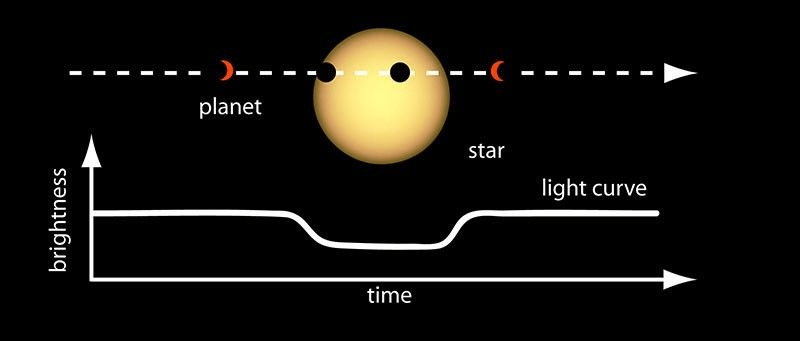
The most effective method we currently use is observing tiny changes in a star’s brightness when a planet passes in front of it. These changes are so subtle that even space telescopes must be millions of times more sensitive than the human eye to detect them.
Imagine trying to see a mosquito fly across a candle flame from ten kilometers away. That’s how challenging this task really is.
Scientists estimate that our galaxy alone may contain 50–60 billion Earth-like planets. And so far, we have confirmed only a tiny fraction of them.
A Universe Too Big for Its Own Good
The universe is not just vast—it is incomprehensibly vast. Light from distant galaxies can take millions or even billions of years to reach us. Observing the universe is like watching a movie that began long before humanity existed.
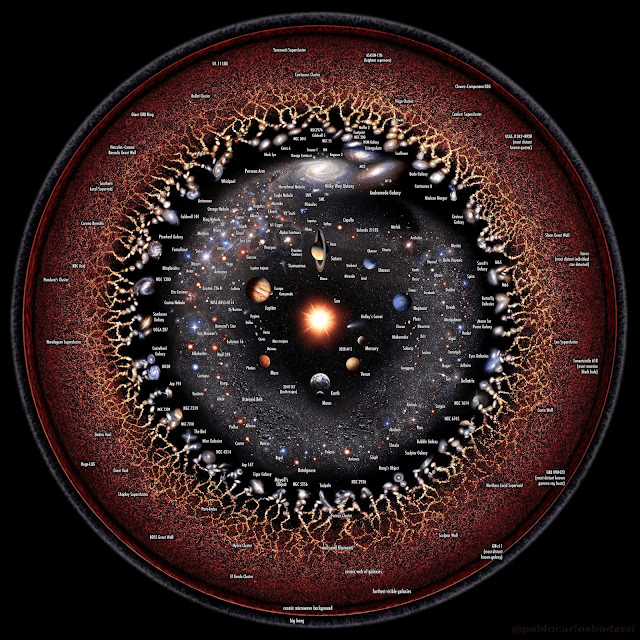
Even traveling to the edge of our own Solar System takes decades. Beyond that, distances are measured in light-years, not kilometers. The observable universe itself is only a small portion of what may truly exist.
Under these conditions, searching for life is like trying to spot a floating bacterium in the air using only your naked eyes.
The Limits of Human Technology
Despite our technological progress, our scientific capabilities are still painfully limited. Only a handful of nations can send spacecraft beyond Earth, and none have come close to reaching another star system.
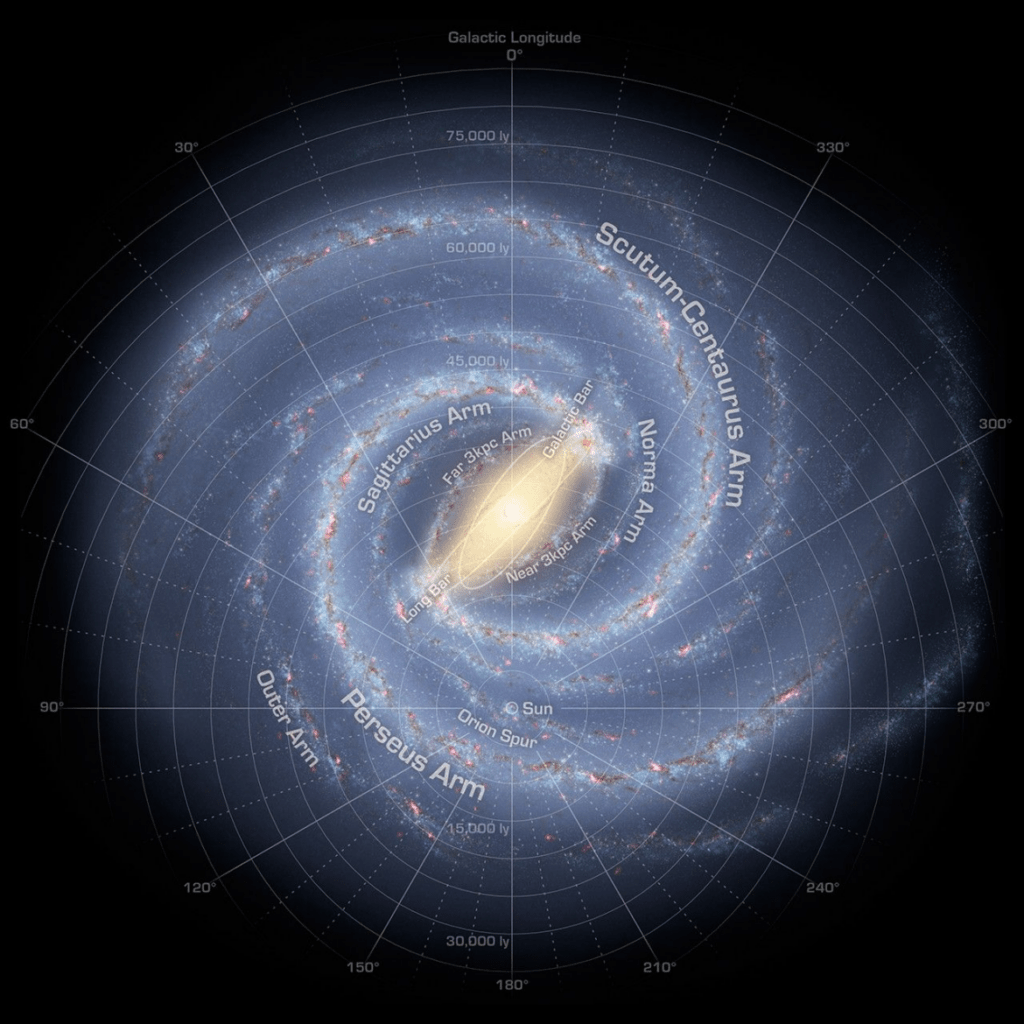
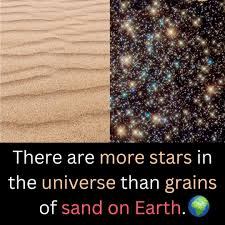
We don’t even know how many stars exist in our own galaxy. Current estimates range from 200 to 400 billion stars—a margin so large that it highlights how little we truly understand.
Outside our galaxy, there are billions more galaxies, most of which remain completely unreachable with today’s technology. For the foreseeable future, our search will be limited to a tiny neighborhood around the Solar System.
What If We Really Are Alone?
There is one final, unsettling possibility: there may be no other life to find.
Life on Earth could be the result of a unique, unrepeatable combination of conditions—or perhaps something deliberately arranged. This idea may not be scientific, but it persists because we lack a definitive answer.
And until we do, every hypothesis deserves respect.
If humanity never finds extraterrestrial life, it wouldn’t necessarily be a tragedy. It would mean that Earth is extraordinarily special—and that protecting it is our greatest responsibility. Because if we lose it, there may be no second chance.
In a universe this vast, the most important discovery we may ever make is learning how to value the one world we already have.