The Death of Stars and the Seeds of Life
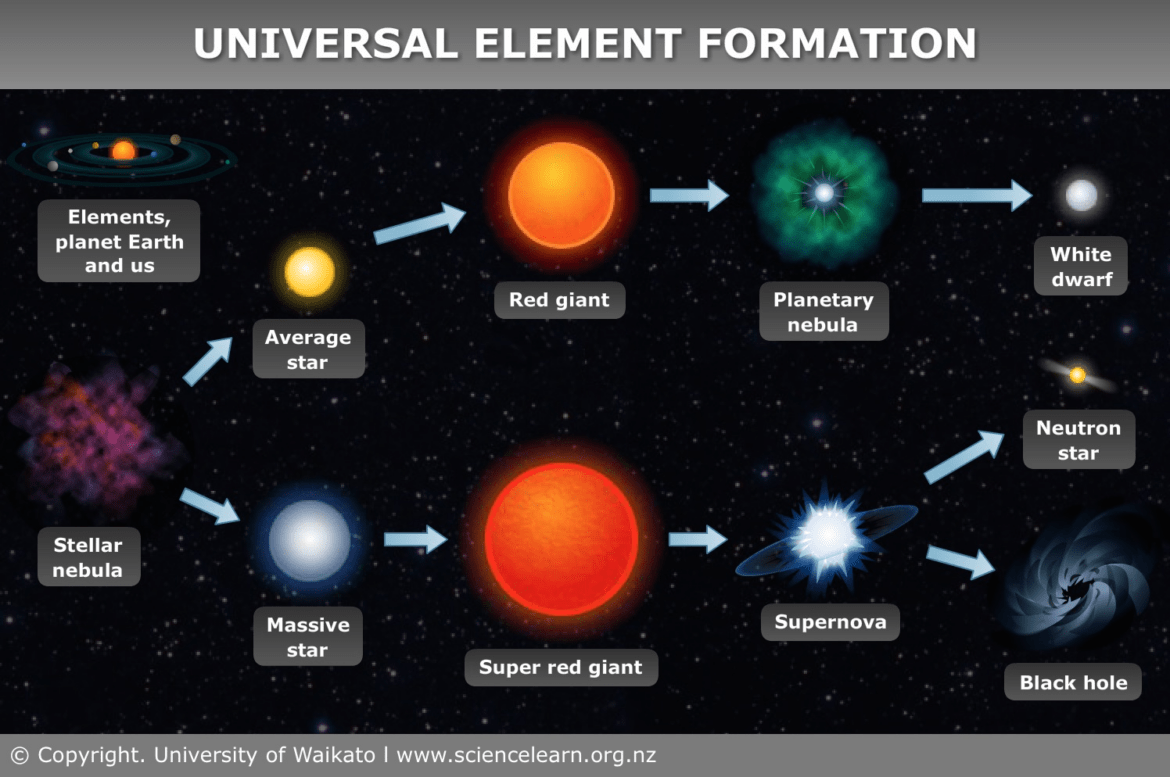
As stars grow old, they become increasingly unstable. Near the end of their lives, the processes inside them grow more violent and complex, often culminating in a dramatic explosion known as a supernova.
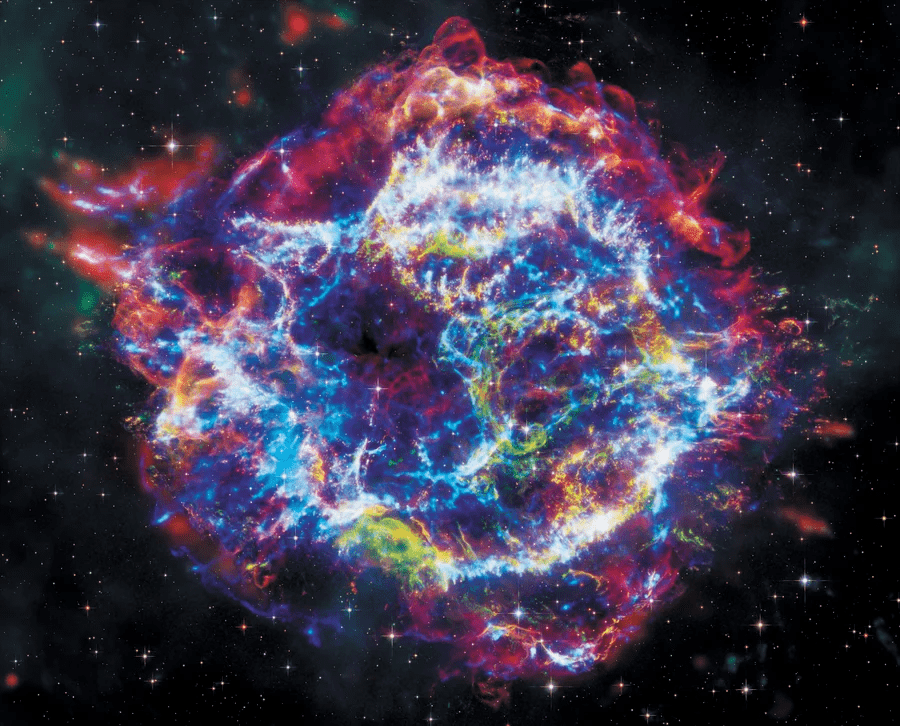
A supernova marks the death of a star, but it is also a beginning. During its lifetime, the star has forged heavier elements through nuclear fusion. When it explodes, these elements are scattered across space.
Those elements can later condense into new stars, planets, and possibly even living organisms. In this sense, life itself may be a consequence of cosmic recycling. The atoms within our bodies were once forged inside ancient stars.
The emergence of life, therefore, may not be a miracle in the supernatural sense. It may simply be a matter of probability unfolding within the laws of the universe.
The Infinite Monkey and the Mathematics of Chance
In 1913, the French mathematician Émile Borel introduced a thought experiment to illustrate probability over extremely long timescales.
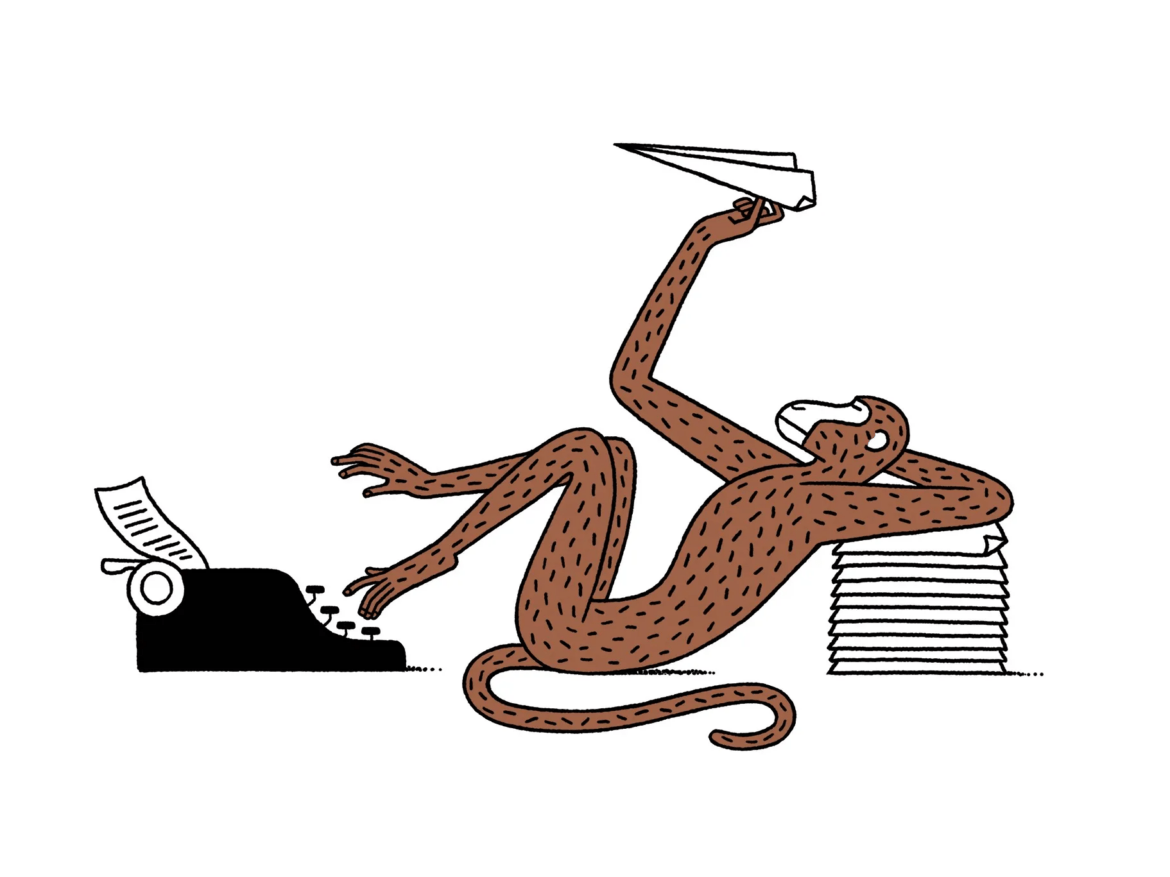
Imagine a monkey randomly pressing keys on a typewriter. Most sequences would be meaningless. But if the monkey continued typing forever, there would eventually be a chance—however small—that it could produce a complete literary work purely by accident.
This idea became known as the “infinite monkey theorem.”
The probability of such an event is incredibly small, yet given enough time it becomes possible.
The same logic can be applied to the universe. Given billions of years and vast cosmic scales, even highly improbable outcomes—like the emergence of life—may eventually occur.
The Origin of Life as a Statistical Event
The universe is roughly 13.8 billion years old. While this is not an infinite amount of time, it is long enough for extraordinary events to unfold.
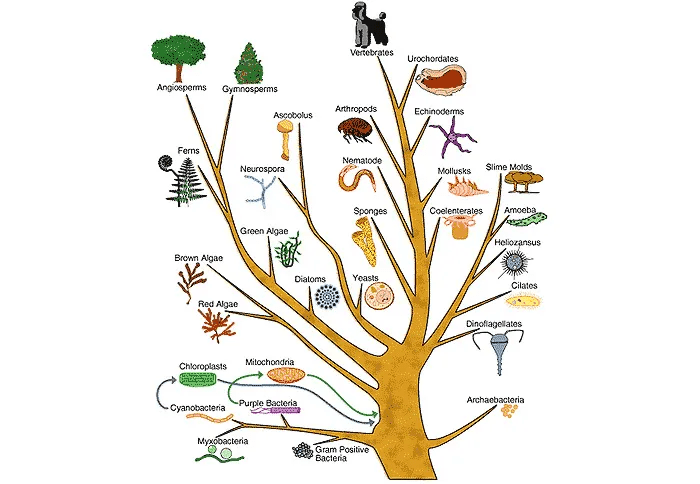
On Earth, life has constantly evolved and transformed. Species appear and disappear, ecosystems change, and biological diversity continues to expand through evolutionary processes.
From this perspective, life might be understood as the result of countless chemical interactions occurring over immense timescales. Each step may be unlikely, but the vast number of opportunities allows complex outcomes to emerge.
If this reasoning is correct, then assuming Earth is the only place where life exists in the universe would be statistically improbable.
One Origin of Life or Many?
Another question arises when examining life on Earth itself. Did all life descend from a single original cell, or did multiple independent life forms emerge in different locations?
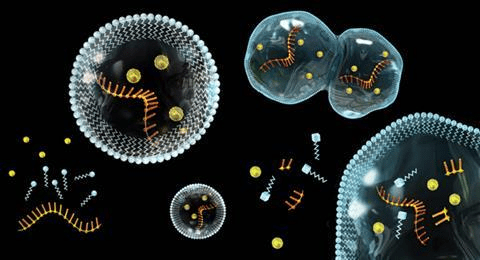
Genetic studies strongly suggest that all known organisms share a common ancestor. This hypothetical organism is often called the Last Universal Common Ancestor, or LUCA.
However, alternative possibilities remain. It is conceivable that multiple primitive life forms arose independently under similar environmental conditions. If they emerged from the same chemistry and physics, their genetic structures might still appear remarkably similar.
Much like how different cultures independently invented chairs for sitting, separate origins of life might still converge toward similar biological solutions.
Natural Selection and the Diversity of Life
Life on Earth is extraordinarily diverse. Throughout the planet’s history, countless species have appeared and vanished. Mass extinctions have reshaped ecosystems, while new organisms have evolved to fill emerging ecological niches.
This continuous transformation follows the mechanism of natural selection, first described by Charles Darwin. In this process, organisms better adapted to their environments are more likely to survive and reproduce.
Over long periods of time, this process produces increasingly complex biological systems. Evolution does not pursue a predetermined goal, yet it continually favors traits that enhance survival and replication.
Intelligence as a Possible Outcome of Evolution
One of the most intriguing outcomes of evolution is intelligence. Life does not merely survive—it often adapts, expands, and competes for resources. Even the simplest organisms exhibit behaviors that help them persist.
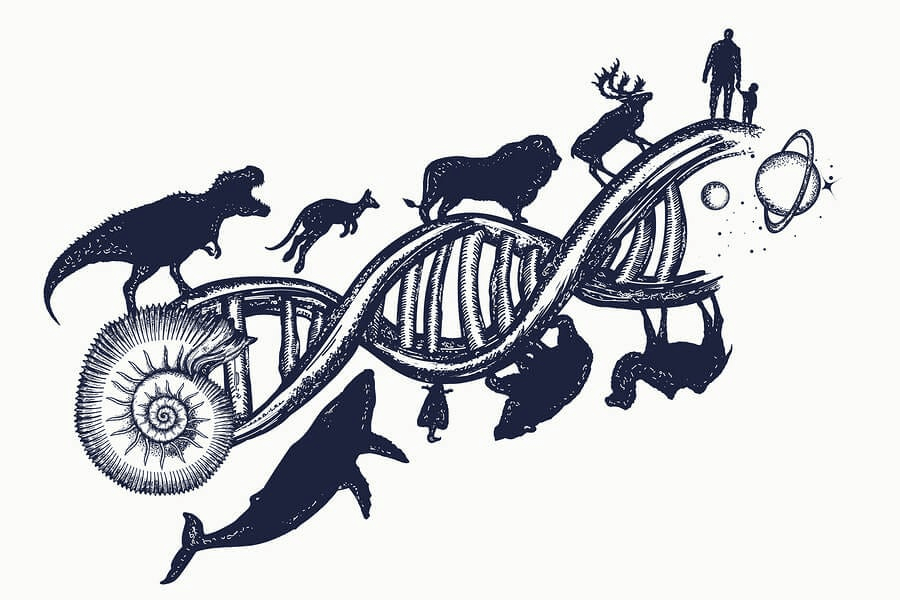
From viruses and fungi to plants and animals, life constantly seeks opportunities to spread and endure. This persistence suggests that life itself possesses a form of systemic resilience.
Some scientists speculate that natural selection may eventually favor organisms capable of expanding beyond their home planet. In that sense, technological intelligence could represent a new stage in the evolution of life.
Humanity might therefore be part of a much larger process—one in which life gradually develops the ability to explore and inhabit the cosmos.
The Question of Other Civilizations
For centuries, humans have looked at the night sky and asked whether other civilizations exist somewhere in the universe.
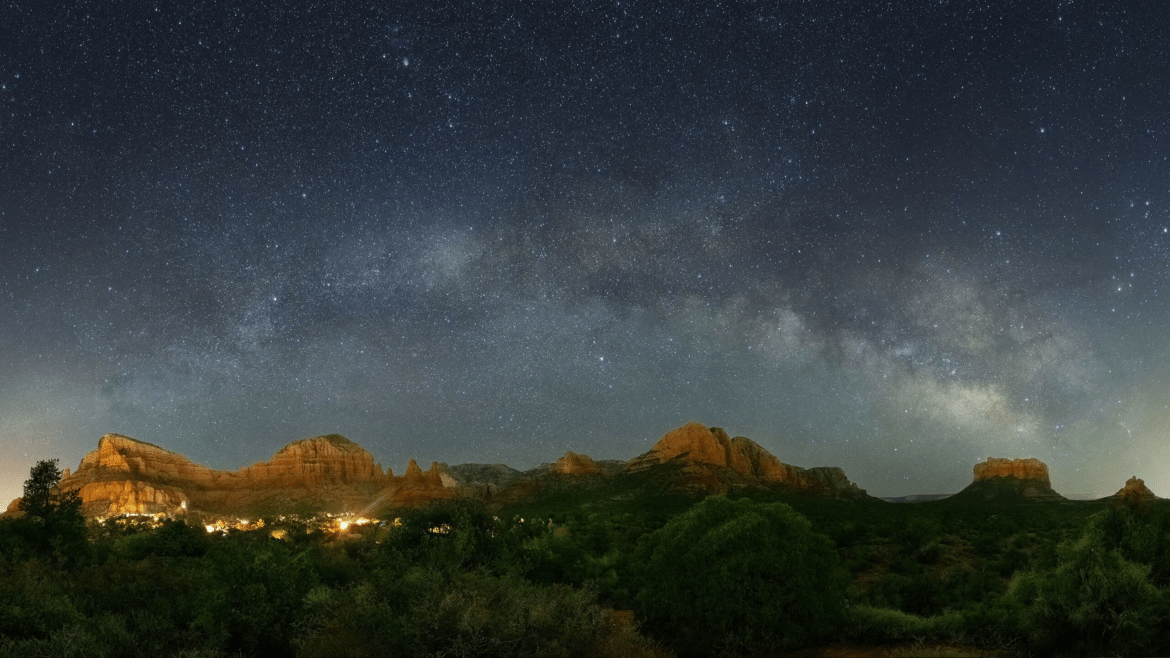
Life itself may be relatively common if the conditions for chemistry and evolution are widespread. However, technologically advanced civilizations may be far rarer. The evolutionary path that produced intelligent tool-using species on Earth may be extraordinarily unlikely.
Even if life appears frequently, the emergence of advanced intelligence might require a long chain of improbable events.
The universe may therefore be filled with life—yet still remarkably quiet.