The Ancient Fascination with the Night Sky
Long before modern astronomy existed, the night sky had already captured the imagination of humanity. Ancient civilizations looked upward and saw patterns, mysteries, and divine stories written across the darkness. The small flickering points of light inspired myths about gods, spirits, and cosmic powers controlling the world.
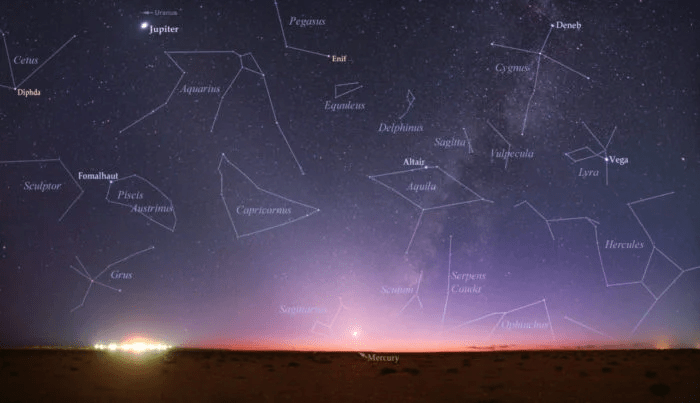
These early interpretations reveal something important: the universe has influenced human curiosity for thousands of years. Even today, despite centuries of scientific progress, people still feel the same fascination when looking at the stars.
For most of human history, however, we had no real understanding of what those distant lights actually were.
The First Astronomical Observations
Around the 5th century BCE, ancient Greek observers began to study the sky more systematically. They noticed that most stars kept fixed positions relative to one another. Constellations such as the Great Bear always appeared in the same arrangement.
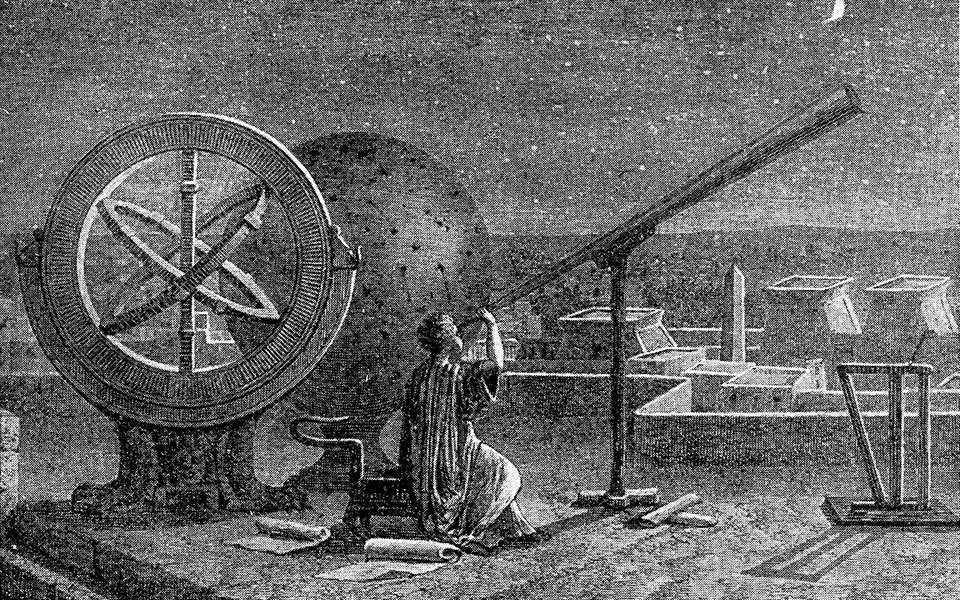
Yet some objects behaved differently. Occasionally, a bright object would move slowly across the sky, changing its position relative to the stars. The Greeks called these wandering objects planetes, meaning “wanderers.” This word eventually became the origin of the modern term planet.
Although these early astronomers did not know the true nature of planets, they recognized that their motion followed predictable patterns. This knowledge helped early societies create agricultural calendars and track seasonal changes.
Early Ideas About the Nature of Stars
Different cultures developed different explanations for the stars. Greek philosophers proposed some of the earliest natural interpretations of celestial objects.
One notable thinker, Anaxagoras, suggested that the Sun might be a massive burning object rather than a divine entity. He also proposed that stars could be similar fiery bodies scattered across the sky.
These ideas were remarkably bold for their time, but mythological explanations remained dominant in most cultures. For centuries, stories about divine beings controlling the heavens remained far more influential than philosophical speculation.
The Scientific Revolution and the Sun
A major transformation began during the Renaissance. In the 16th century, Nicolaus Copernicus proposed that the Sun—not Earth—was at the center of the Solar System. In this heliocentric model, Earth became just another planet orbiting the Sun.
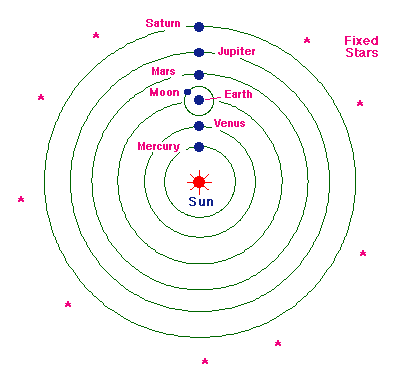
This idea was revolutionary. It reshaped humanity’s understanding of our place in the cosmos.
Later, Galileo Galilei used a telescope to observe dark spots on the surface of the Sun. These sunspots proved that the Sun was not a perfect, unchanging sphere as previously believed. Instead, it was a dynamic object with visible activity.
These discoveries marked the beginning of modern solar astronomy.
Discovering the True Nature of Stars
By the late 18th and early 19th centuries, astronomers began studying sunlight in much greater detail. Observations revealed that the Sun was not a solid object but a massive sphere of extremely hot gas, or plasma.
Later spectroscopic studies showed something even more surprising: the chemical composition of the Sun matched that of many distant stars.
This discovery revealed a profound truth—the Sun is simply one star among countless others scattered throughout the universe.
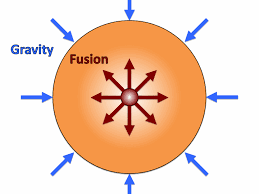
In the early 20th century, astrophysicist Arthur Eddington helped explain how stars produce energy. He demonstrated that the immense energy of stars comes from nuclear fusion occurring in their cores.
Supernovae and the Origin of Cosmic Matter
As astronomy progressed, scientists began studying how stars are born and how they die. Historical observations turned out to be incredibly valuable in this effort.
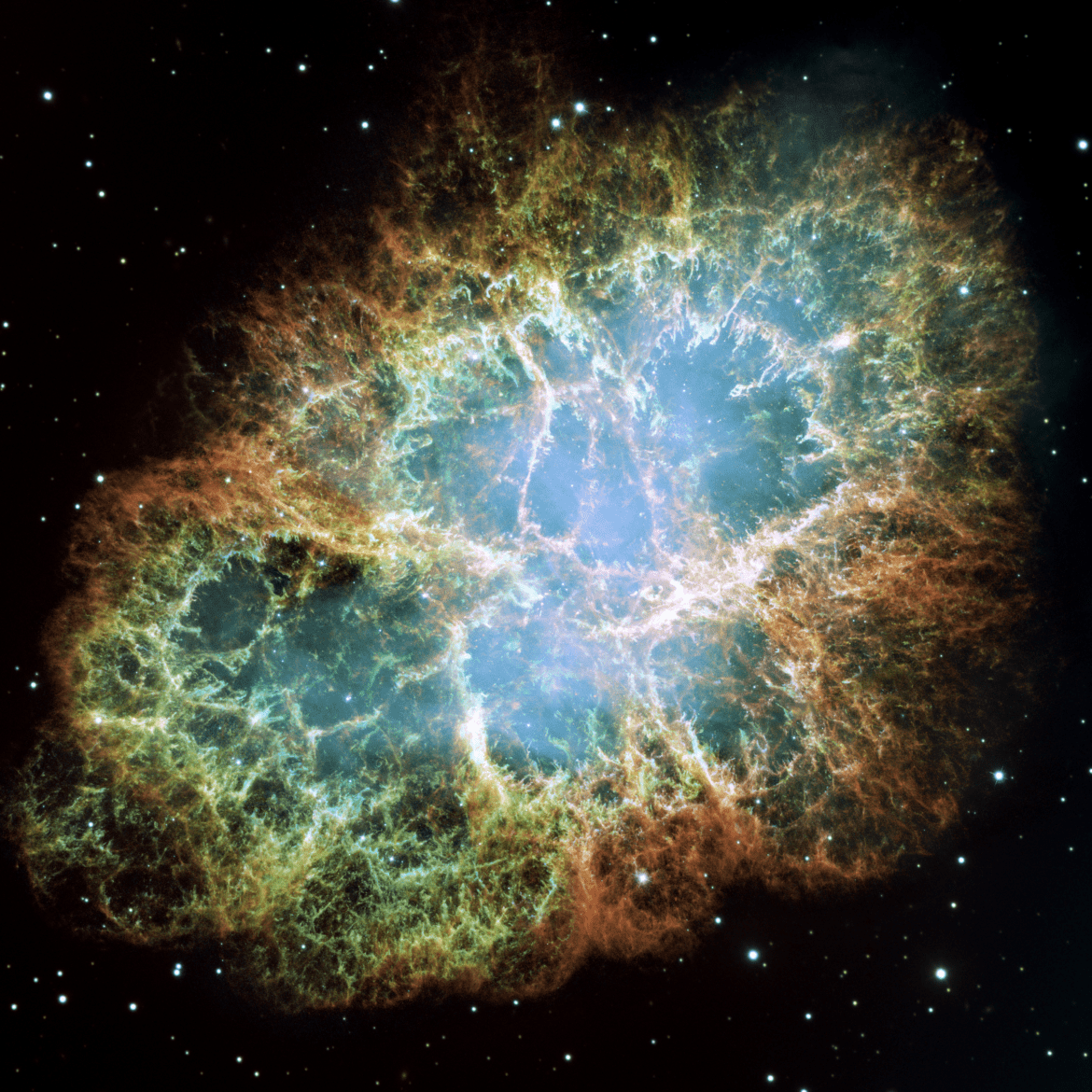
In 1054 CE, astronomers in China, the Islamic world, and the Maya civilization recorded the sudden appearance of an extremely bright “new star.” Modern science now knows this event was a supernova explosion that created the Crab Nebula.
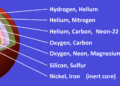
Supernovae mark the violent deaths of massive stars, but they also play a crucial role in cosmic evolution. During these explosions, heavy elements are created and scattered into space. These materials later form new stars, planets, and eventually living organisms.
In this sense, the atoms in our bodies were once forged in ancient stars.