The Mind and the Cosmic Scale of Complexity
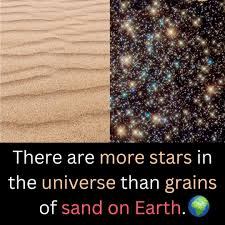
The human brain is an astonishingly complex system. An adult brain contains roughly 80 to 100 billion neurons—cells that communicate through vast networks of electrical and chemical signals. Interestingly, this number is comparable to the estimated number of stars in the Milky Way Galaxy.
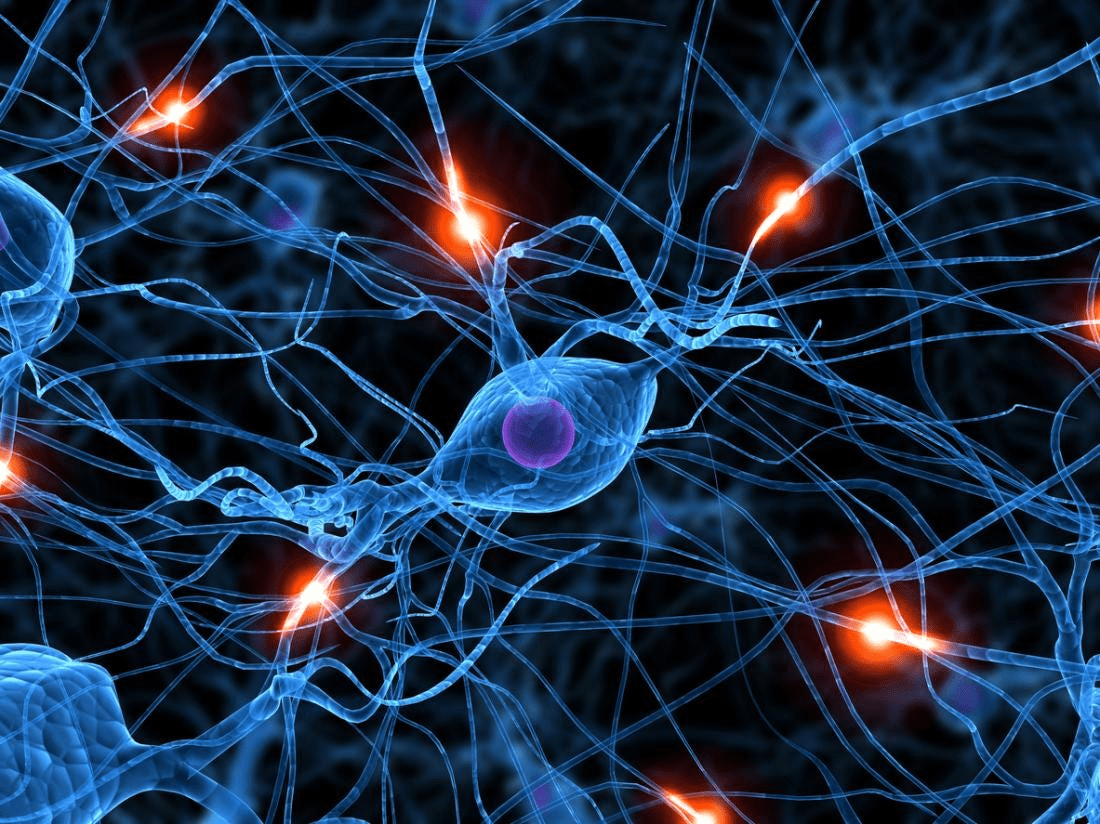
Each neuron interacts with thousands of others, creating an intricate web that shapes perception, memory, and thought. Despite this immense complexity, our thoughts often feel spontaneous and free. Ideas appear suddenly, images form in our minds, and imagination can construct entire worlds that never existed.
But this raises an intriguing question.
If the brain is a physical system governed by natural laws, are our thoughts truly free—or are they guided by deeper processes we barely understand?
Thought as a Response System
The mind often behaves like a kind of radar. It constantly scans the environment for signals: things we see, hear, remember, or briefly imagine. When something captures attention, the brain begins to construct meaning around it.
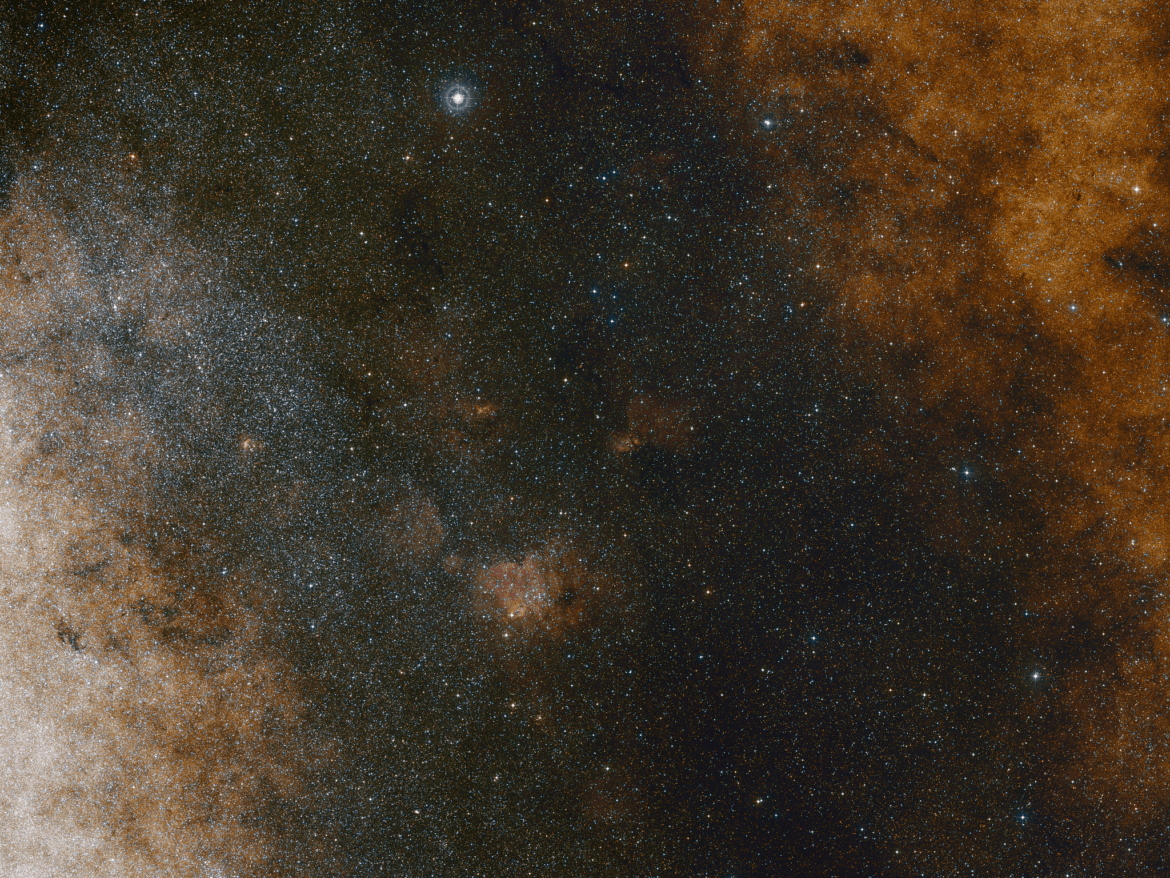
A simple story or image can trigger an entire chain of thoughts. A description of a strange planet, for example, may immediately produce vivid images in the mind—even if that planet does not exist.
This suggests that thought is not entirely independent.
Our minds respond to stimuli, reorganizing information already stored within memory.
In other words, imagination may feel free, but it often emerges from patterns the brain has already learned.
The Idea That Everything Follows Laws
For centuries, scientists have used mathematics to describe natural phenomena. As early as the work of Galileo Galilei, scholars began recognizing that mathematical rules could explain and predict the behavior of the natural world.
Astronomers used these tools to predict the motion of planets, stars, and comets. Over time, the search for laws expanded beyond astronomy into every scientific discipline.
If the universe operates through consistent principles, an obvious question arises:
Could the human mind also follow certain laws?
This idea naturally leads to discussions about cause and effect.
Cause, Effect, and the Idea of Fate
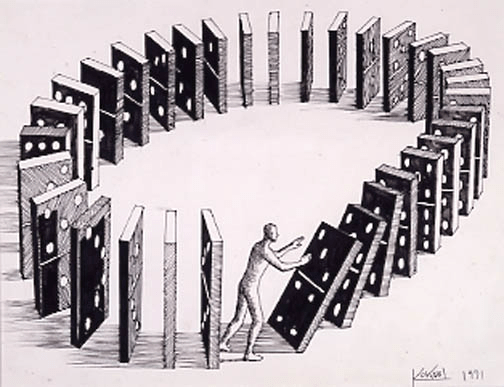
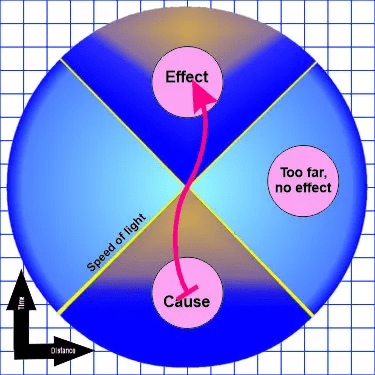
The concept of cause and effect lies at the heart of physics. Every event occurs because of prior conditions, and each event becomes the cause of future outcomes. This chain forms a continuous timeline of interconnected processes.
In this view, the future is not completely random.
It emerges from the state of the universe in the past and present.
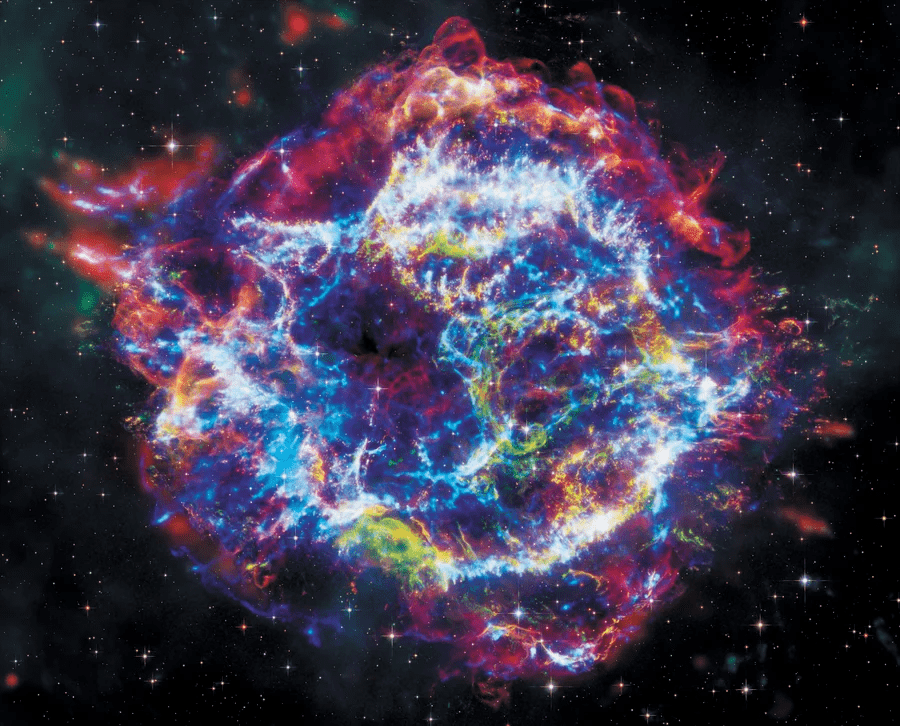
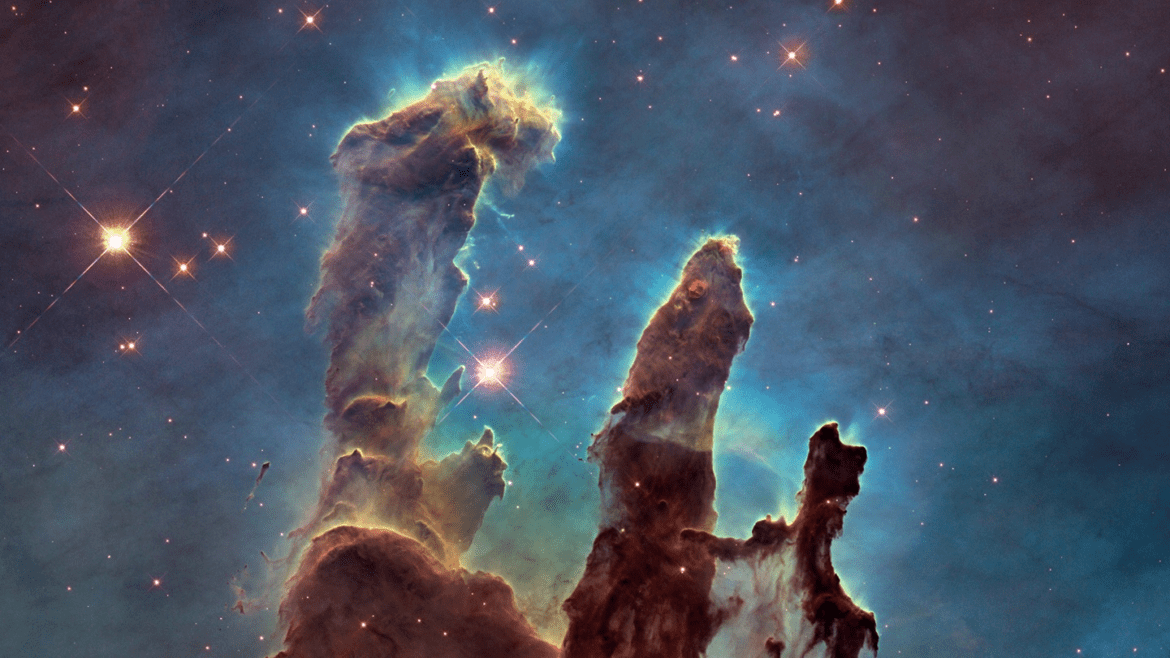
Consider a nebula—a cloud of gas and dust in space. Astronomers know that, given time, gravity will cause parts of that cloud to collapse, eventually forming stars. Later, those stars may explode as supernovae, dispersing new elements back into space.
These outcomes are not guesses.
They follow predictable physical laws.
If the same logic applies universally, then the future of the universe may already be determined by the conditions that exist today.
Why We Cannot Predict Our Own Lives
If everything follows laws, one might wonder why we cannot predict our own future. The reason lies in complexity.
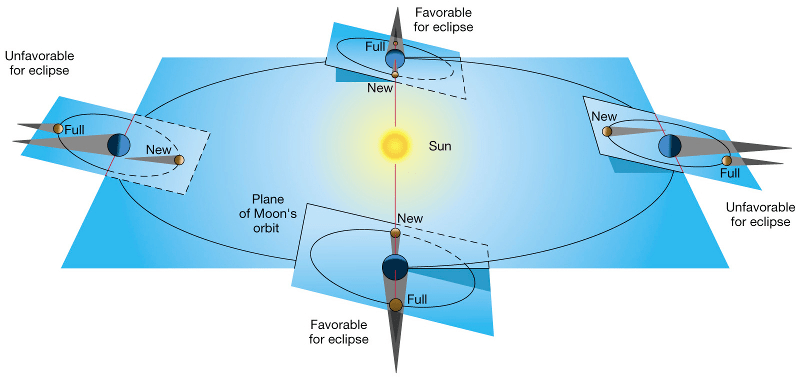
Some systems are governed by simple, stable laws. For instance, celestial mechanics allows scientists to calculate solar and lunar eclipses with remarkable accuracy using the gravitational theory developed by Isaac Newton.
Other systems are far more complicated. Weather, for example, involves countless interacting variables. Even though the underlying physics is understood, accurate predictions become extremely difficult beyond a short time span.
Human life is similar.
Our actions are shaped not only by physical laws but also by social, cultural, economic, and psychological influences. Many of these “rules” are flexible and constantly changing.
The result is a world where the final outcome may be predictable—everyone ages and eventually dies—but the path leading there is filled with unpredictable events.
The Paradox of Free Thought
Thought itself reflects this mixture of order and unpredictability. Ideas appear seemingly at random, like musical notes emerging without a clear pattern.
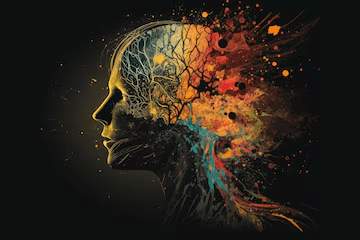
Yet when we examine them closely, our thoughts rarely wander far from familiar territory. They revolve around our experiences, our interests, our memories, and our unresolved questions.
In that sense, thought is both free and constrained.
We cannot always predict what we will think next.
But the range of possible thoughts is still shaped by the structure of the mind and the experiences stored within it.
The freedom of thought may therefore be real—but it operates within boundaries set by the physical brain and the laws governing the universe.